
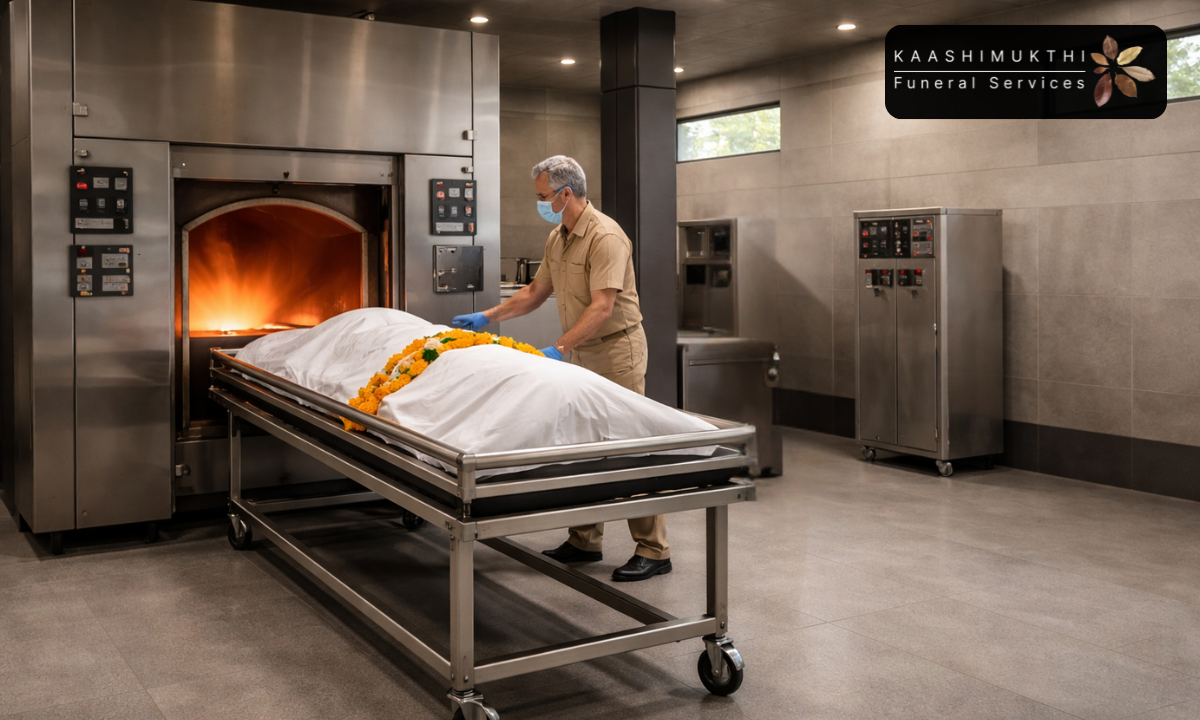
When we lose someone close, many of us quietly wonder what happens in a crematory after the final journey begins. While the process may feel overwhelming or unfamiliar, understanding it can bring a sense of peace and clarity during an emotional time.
Today, with organised cremation services in Bangalore, families can rely on structured, respectful, and transparent procedures that honour their loved ones.
But what really happens behind those doors at the cremation ground, step by step? Let’s walk through the entire process together so you know exactly what to expect.
Key Points at a Glance
- The body is received and verified at the cremation ground
- Necessary documents are checked before proceeding
- The body cremation process follows cultural or religious rituals
- The cremation is carried out using traditional or electric methods
- Ashes are collected and handed over to the family
- A professional funeral service provider can guide and support throughout
Step-by-Step: Cremation Process After Death
Before we go into each step, it helps to understand that the cremation process after death is carefully structured to ensure dignity, respect, and proper handling at every stage. From the moment the body reaches the cremation ground, trained staff and a funeral service provider work together to guide the family and manage the entire process smoothly. Knowing these steps in advance can make a difficult time feel a little more manageable and less uncertain.
1. Arrival at the Cremation Ground
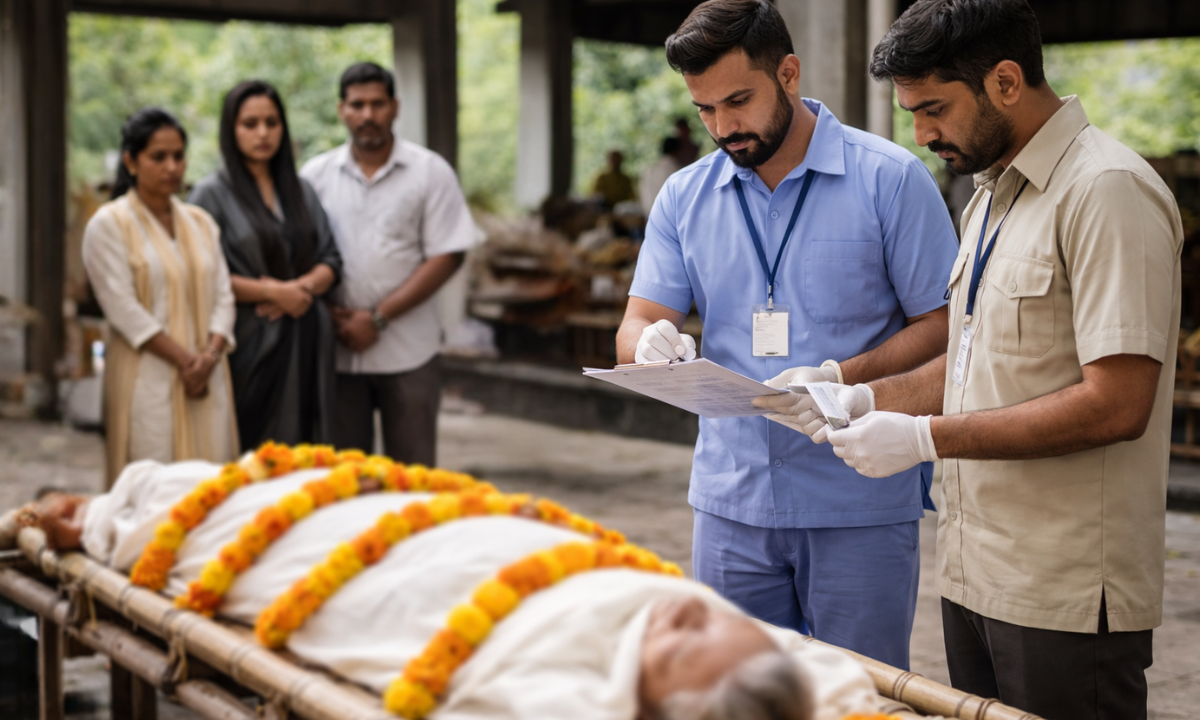
When the body reaches the place of cremation, it is first received by the staff. This is usually done with dignity and care, ensuring the family feels supported.
The team checks the details of the deceased, including identification and documentation. This step is important to ensure everything is handled correctly and respectfully.
2. Documentation and Formalities
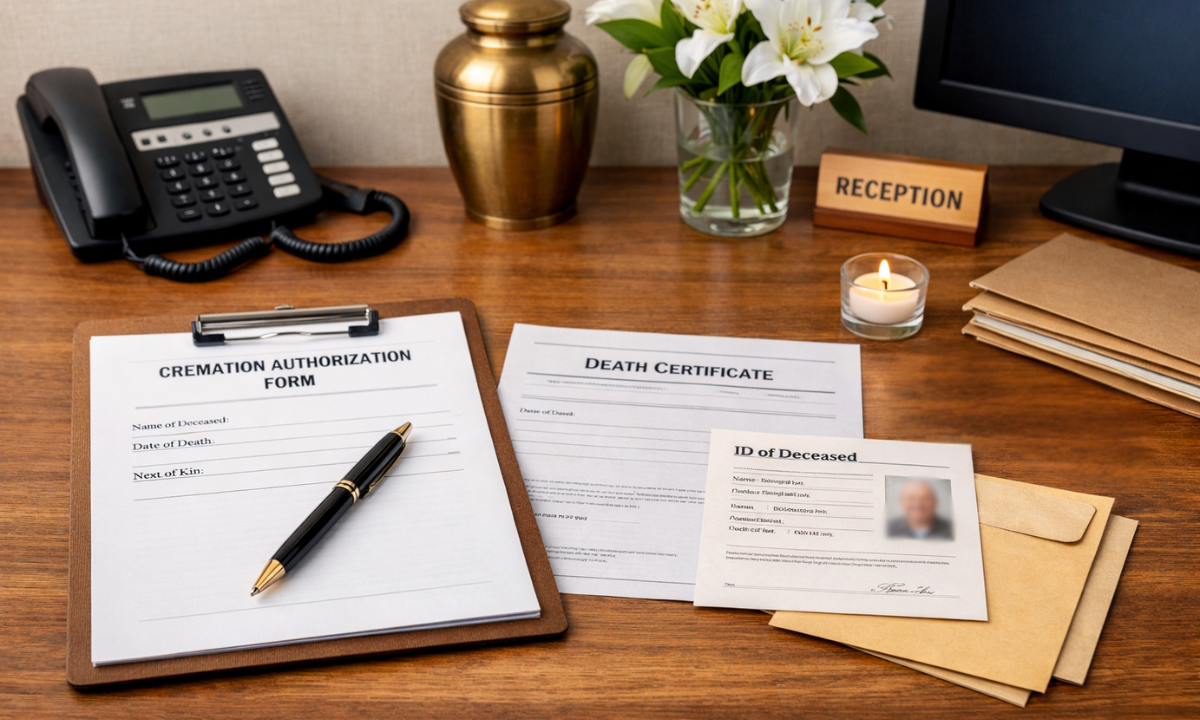
Before the cremation process begins, certain documents must be verified. This step ensures that the entire process is legally compliant and carried out without any complications or delays. It also helps the cremation ground authorities maintain accurate records and avoid any identification errors.
These formalities may feel overwhelming during an emotional time, but they are handled with care and sensitivity by the staff.
| Required Document | Purpose |
|---|---|
| Death Certificate | Confirms the official record of death |
| ID Proof | Verifies the identity of the deceased |
| Cremation Permit | Legal approval for cremation |
A reliable funeral service provider often helps families manage these formalities smoothly, especially during stressful moments.
3. Preparation of the Body
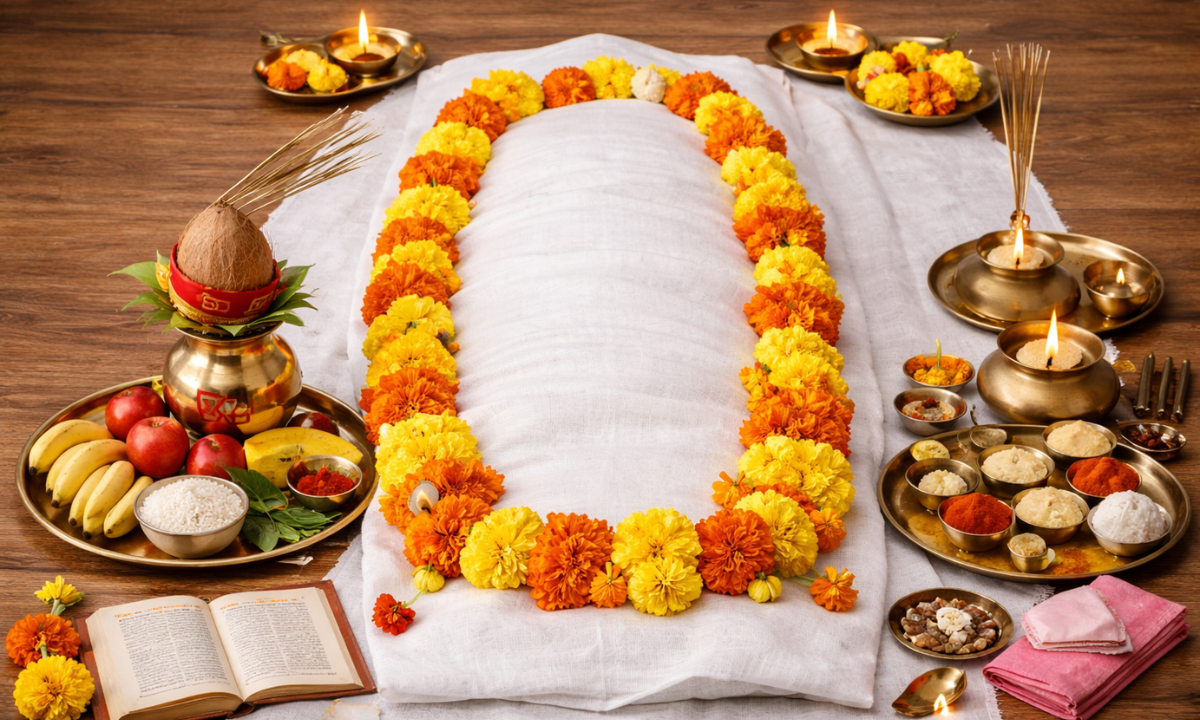
The next step involves preparing the body for cremation. This stage is handled with great respect and care, ensuring that the dignity of the departed is maintained at all times. It also gives family members a quiet moment to gather themselves and participate in meaningful last rites.
This process may vary depending on religious or cultural customs.
- The body is placed on a stretcher or platform
- Family members may perform final rituals or prayers
- Flowers, cloth, or sacred items may be used
This stage allows loved ones to say their final goodbyes in a meaningful way.
4. Performing Rituals Before Cremation
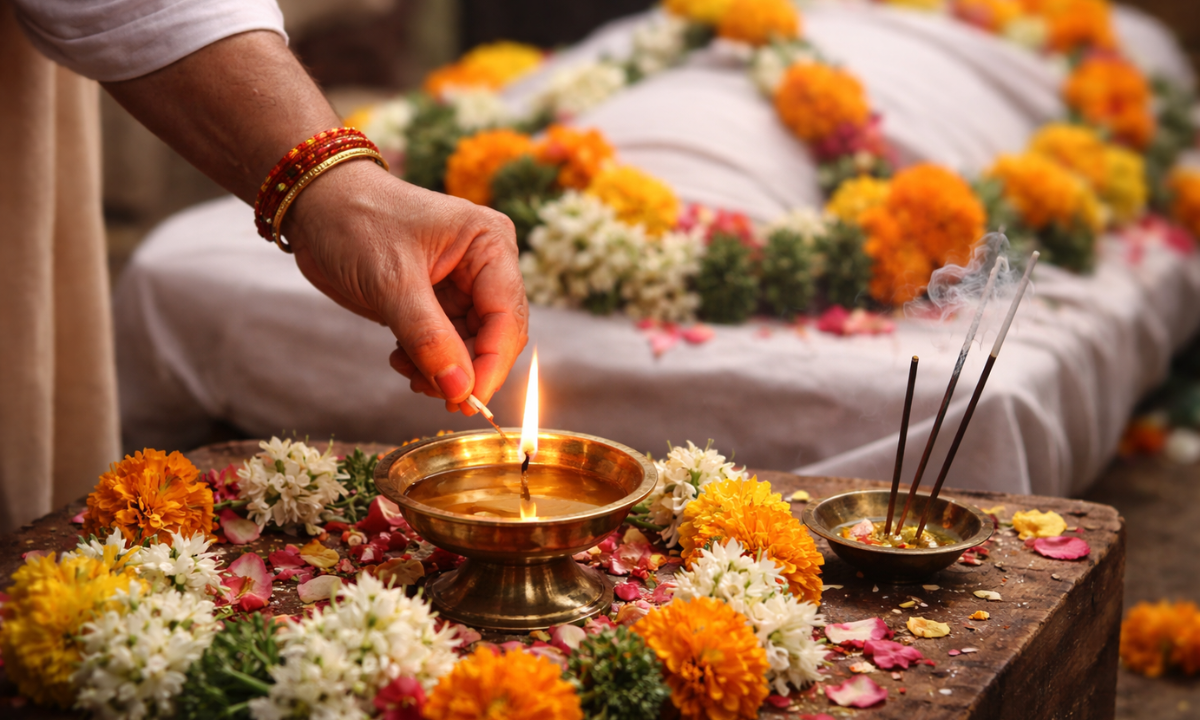
Before the cremation begins, families are usually given time to perform traditional rites that hold deep emotional and spiritual meaning. These moments allow loved ones to express respect, love, and farewell in a way that aligns with their beliefs and customs.
Different communities follow different traditions, but some common practices include:
- Lighting incense or lamps
- Chanting prayers or mantras
- Offering flowers or holy water
These rituals are an important part of the body cremation process and help bring emotional closure to the family.
5. The Cremation Process
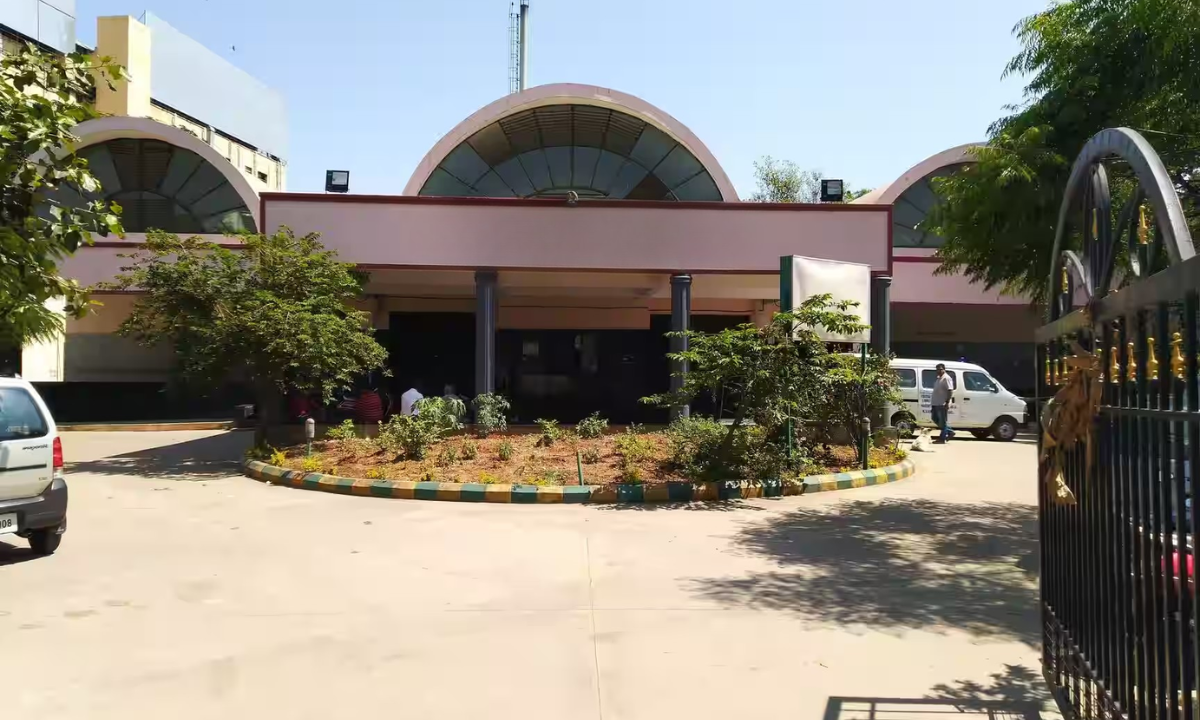
Now comes the actual cremation process after death. Depending on the facility, cremation may be done using:
| Type of Cremation | Description |
|---|---|
| Traditional (Wood) | Uses firewood on an open pyre |
| Electric Cremation | Uses an electric furnace for controlled burning |
In modern facilities like the Banashankari crematorium, electric cremation is commonly used, as it is more efficient and environmentally friendly.
The cremation usually takes 1.5 to 3 hours, depending on the method and conditions.
6. Cooling and Collection of Ashes
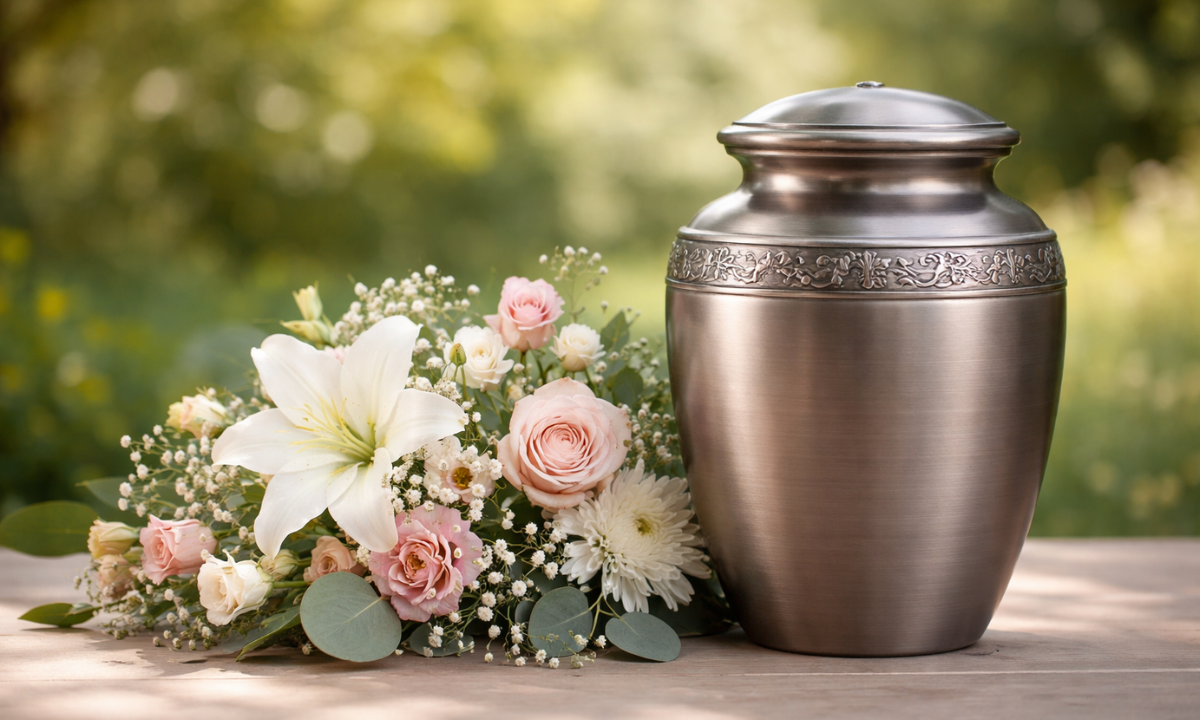
Once the cremation is complete, the remains are allowed to cool down. This is a necessary step before handling the ashes. The cooling period is handled patiently to ensure safety and proper collection without disturbing the remains.
This stage is carried out with great care and respect, as it marks the final physical connection families have with their loved one.
After cooling:
- The ashes are carefully collected
- They are placed in an urn or container
- The remains are handed over to the family
7. Post-Cremation Rituals
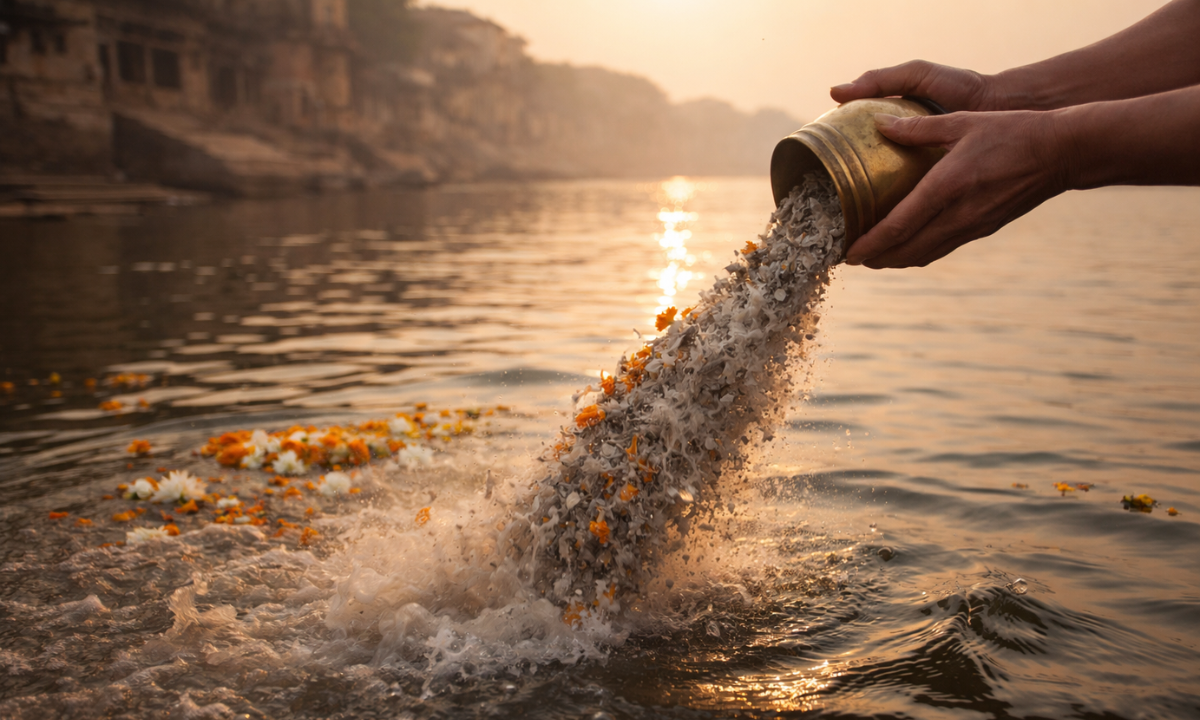
After receiving the ashes, families may perform additional rituals based on their beliefs. These rituals are often deeply personal and provide a sense of closure, helping families cope with loss in a meaningful way. They also honour the memory of the departed and reflect cultural or spiritual traditions followed by the family.
These may include:
- Immersion of ashes in a river
- Prayer ceremonies at home
- Memorial services
A professional funeral service provider can also assist in organising these rituals.
Role of a Funeral Service Provider
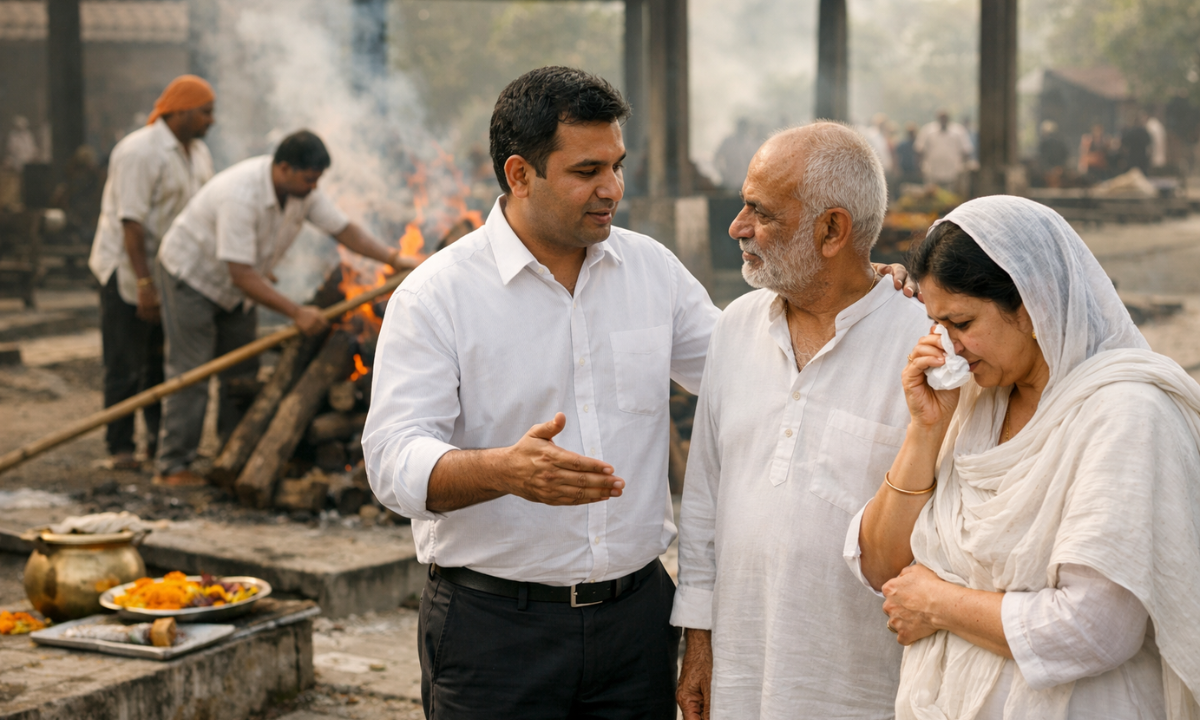
During such emotional times, having support can make a big difference. A funeral service provider helps manage everything smoothly. They act as a guiding hand for families, ensuring that every step is handled with care, sensitivity, and professionalism.
From coordinating logistics to assisting with rituals, a professional service provider’s presence reduces the burden on family members during a difficult period. They also ensure that all processes at the cremation ground are carried out in an organised and respectful manner.
How They Help
| Service Offered | Benefit to Family |
| Documentation support | Reduces stress and confusion |
| Transportation of the body | Ensures safe and timely transfer |
| Ritual arrangements | Respects cultural traditions |
| Coordination at the cremation ground | Smooth and organised process |
Their role is to allow families to focus on grieving and remembering their loved one.
Tips for Families During Cremation
Here are a few simple tips that can help during this process:
- Keep all documents ready in advance
- Arrive on time at the cremation ground
- Follow the guidance of the staff and the priests
- Take emotional support from family and friends
- Do not hesitate to ask questions if unsure
These small steps can make the experience less stressful and more meaningful.
Final Thoughts
Understanding what happens during body cremation can help us feel more prepared and less anxious during a difficult time. From arrival at the cremation ground to the final collection of ashes, every step is handled with care and respect.
With trusted cremation Services in Bangalore, families can ensure a smooth and dignified farewell for their loved ones. At Kaashimukthi, the focus is always on compassion, support, and guiding families through every step with empathy and professionalism.
FAQs
1. How long does the cremation process take?
The cremation process usually takes between 1.5 and 3 hours, depending on the method used, such as traditional wood-based or electric cremation. Factors like the equipment, body composition, and procedures at the cremation ground can also affect the duration. Families are generally informed about the expected time so they can plan accordingly and be present for important moments if they wish.
2. Can family members witness the cremation?
Yes, in most cases, family members are allowed to be present during the cremation if they choose to. Being present can provide emotional closure and a chance to say a final goodbye. However, the rules may vary depending on the place of cremation and local guidelines, so it is always helpful to check in advance with the cremation ground staff or service provider.
3. What happens to the ashes after cremation?
After cremation, the remains are allowed to cool before the ashes are carefully collected by the staff. These ashes are then placed in an urn or container and handed over to the family. Families may choose to keep the ashes temporarily or perform rituals such as immersion in a river, depending on their traditions, beliefs, and personal preferences.
4. Is electric cremation better than traditional cremation?
Electric cremation is often considered more efficient and environmentally friendly compared to traditional wood-based cremation. It usually takes less time and produces fewer emissions. However, the choice depends largely on religious beliefs, family traditions, and personal preferences. Some families still prefer traditional methods for cultural reasons, while others opt for modern facilities for convenience and sustainability.
5. Do I need a funeral service provider?
While it is not mandatory to hire a funeral service provider, their support can make a difficult time much easier to manage. They assist with documentation, transportation, coordination at the cremation ground, and arranging rituals. This allows families to focus on grieving and spending time together, without worrying about logistics or procedural details during an already emotional period.

Madhu is an Entrepreneur, a Mentor, a Writer and an Aspiring Car Race Driver. He is Deeply passionate about leveraging Technology and Human Centred Design to make complex care and End of Life Planning easier. With the ultimate aim of Improving the quality of Life in the Twilight years. Madhu is highly educated and Alumni of IIM-Bangalore, Sikkim Manipal University and Bangalore University besides a Rich Industry Experience in the field of Product Management, Design, Supply chain, Finance, Commercial Management and Funeral Services.