
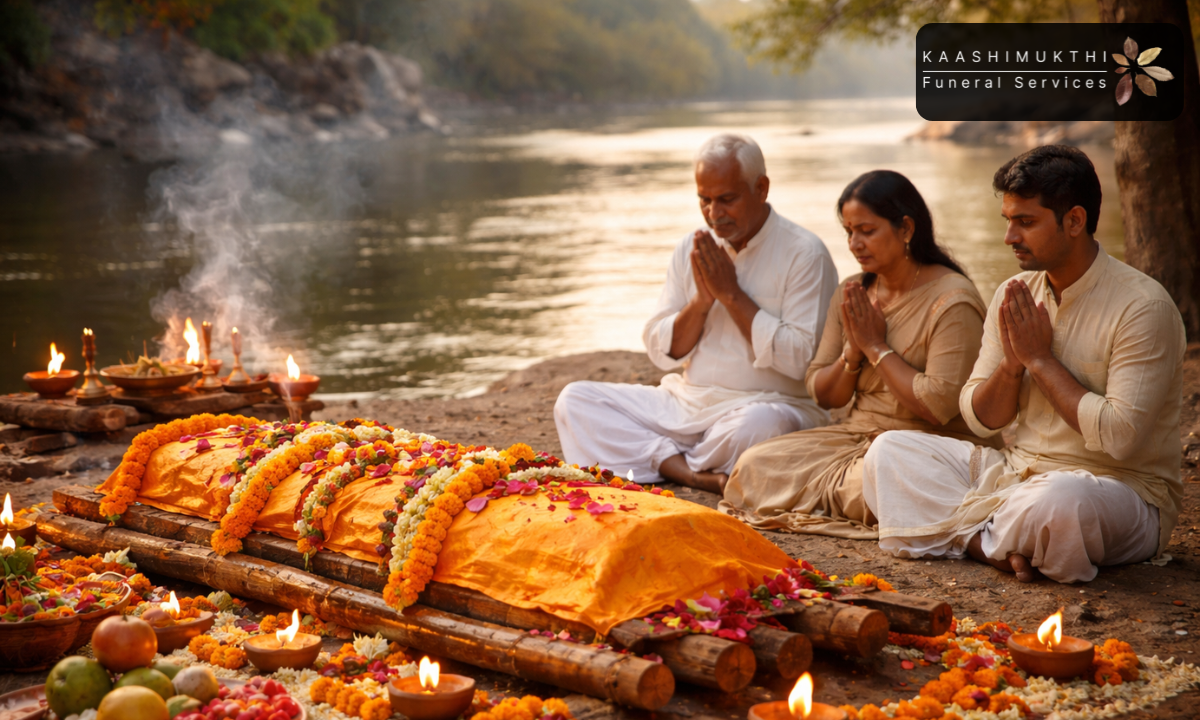
Losing a loved one is one of the most emotional experiences in life, and during such moments, families often feel confused about what happens next. Understanding the death-to-funeral timeline can bring some clarity and help families prepare for the necessary arrangements and funeral rites that follow. In many cases, families also seek support from professional funeral services in Bangalore to manage the arrangements smoothly during this difficult time.
In India, especially within Hindu traditions, funeral rituals follow a structured timeline that guides families through the mourning period and spiritual ceremonies. From the moment of death to the completion of the 13-day rituals, every step carries cultural and spiritual meaning.
In this blog, we will walk through the complete timeline from death to the final ceremonies so you understand how long funeral rites last and what happens during each stage.
Key Points at a Glance
- Hindu funeral rites usually last 13 days.
- The cremation ceremony normally takes place within 24 hours of death.
- Families first obtain a death certificate before performing the final rites.
- Last rites in Hinduism begin with body preparation and cremation.
- Rituals continue for 10–13 days to help the soul transition peacefully.
- The 13th-day ceremony marks the end of the main mourning period.
- Support services, such as dead body transportation in Bangalore, help families manage logistics.
Understanding the Death to Funeral Timeline in India
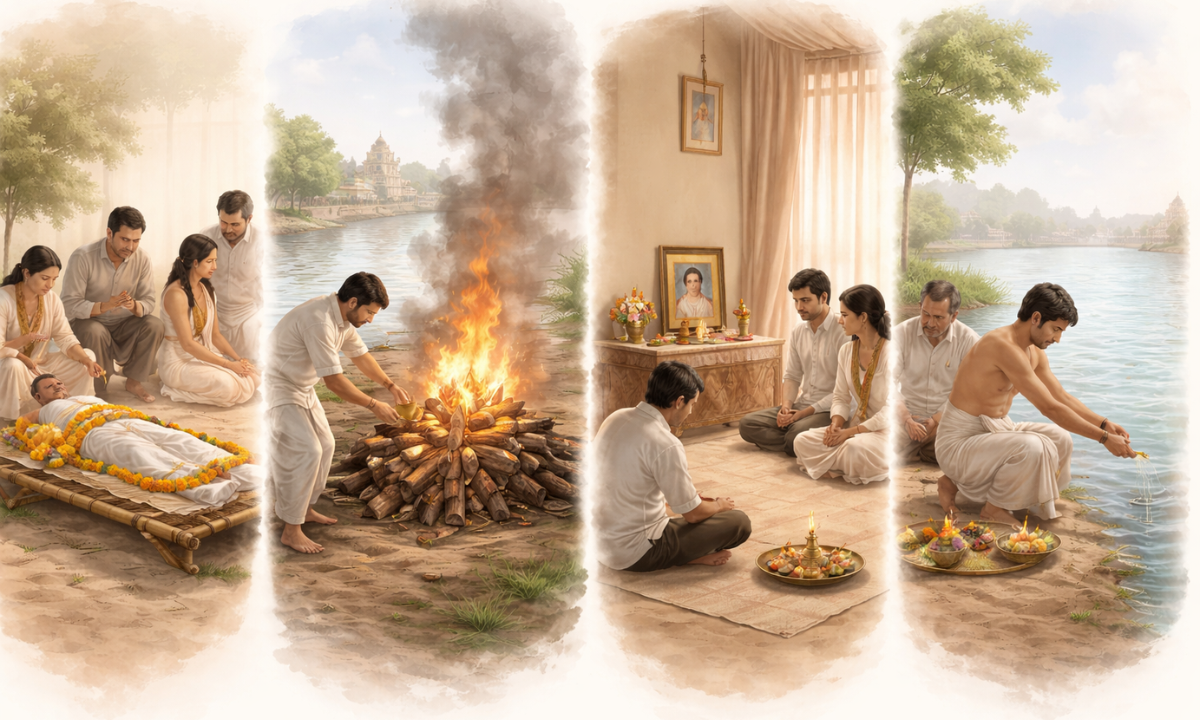
The process from death to the completion of funeral ceremonies involves several important steps. In most parts of India, especially in Hindu traditions, funerals are performed quickly because it is believed that the soul should begin its spiritual journey without delay.
During this time, families not only cope with emotional loss but also follow religious customs and legal procedures. These steps ensure that the departed person is honoured respectfully while also fulfilling spiritual responsibilities. Understanding the sequence of events can help families prepare for each stage with clarity and calmness.
The typical timeline includes:
- Confirmation of death and legal documentation
- Preparation of the body
- Cremation and immediate rituals
- Mourning period rituals over 10–13 days
- Final ceremony on the 13th day
While this structure is widely followed, some families may adapt rituals based on regional traditions and family customs.
Immediate Steps After Death
The first few hours after death involve both emotional and practical responsibilities for the family. During this time, relatives usually come together to support each other while also making the necessary arrangements for the funeral.
It is also a period when important decisions need to be made quickly, especially regarding documentation, transportation, and preparing the body for the final rites according to religious traditions.
Important steps include:
- Obtaining the death certificate from a hospital or a doctor
- Informing close relatives and family members
- Preparing the body for the funeral ceremony
- Arranging transportation to the cremation ground
- Contacting cremation services in Bangalore if professional help is required
In Hindu traditions, the body is usually bathed, dressed in simple clothing, and placed respectfully before the final rites begin.
Day 1 – Antim Sanskar (The Cremation Ceremony)
The first and most important stage of Hindu funeral rituals is the cremation ceremony, also known as antim sanskar, meaning the final rites. This ceremony usually takes place within 24 hours of death, often before sunset.
Family members and close relatives gather to pay their final respects and participate in the traditional rituals. The ceremony is conducted with deep spiritual significance, as it symbolises the release of the soul from the physical body. Priests guide the family through each step to ensure that the rituals are performed according to tradition.
Rituals performed during this stage:
- The body is placed on a funeral bier
- Family members offer flowers and prayers
- The eldest son or the closest male relative traditionally lights the funeral pyre
- Priests perform rituals involving chanting mantras and prayers
The cremation marks the physical separation of the soul from the body and begins the spiritual journey of the departed.
Day 2 to Day 9 – Initial Mourning Period
The days following cremation are dedicated to mourning and prayer. This stage of the after-death ceremony focuses on spiritual rituals believed to help guide the soul toward peace.
During this time, the family spends more time in prayer and remembrance while gradually accepting the loss of their loved one. Religious rituals and simple daily practices help create a calm environment where family members can reflect, pray, and support each other emotionally.
Families typically observe several traditions during this period.
| Ritual Practice | Purpose |
|---|---|
| Daily prayers at home | To pray for the soul’s peaceful journey |
| Avoiding celebrations and social gatherings | To observe mourning respectfully |
| Simple food and lifestyle | To maintain spiritual discipline |
| Ash collection (Asthi Sanchayan) | Ashes are collected from the cremation site |
Ashes are usually collected one day after cremation and later immersed in sacred waters.
Day 10 – Das Gaatra Ceremony
The tenth day is a very important stage in the death-to-funeral timeline. This ritual is called das gaatra, and it symbolically marks the transformation of the soul from its earthly state.
By this time, the family has already spent several days in mourning and prayer. The rituals performed on the tenth day are believed to help purify the spiritual journey of the departed soul and support its transition toward the ancestral realm.
During this ritual:
- Priests perform specific purification ceremonies
- Family members offer rice balls (pinda daan)
- Prayers are recited to release the soul from earthly attachments
This stage is believed to help the soul move closer to its spiritual destination.
Day 11 and Day 12 – Spiritual Offerings
The 11th and 12th days are dedicated to rituals that nourish and support the soul’s journey in the spiritual world. These days are considered spiritually important because families continue prayers and offerings with the belief that the soul is gradually moving toward peace.
During this stage, religious ceremonies are performed with the guidance of priests. Family members gather to participate in the rituals and offer prayers, seeking blessings and spiritual comfort.
Key activities include:
- Offering symbolic food to the departed soul
- Performing prayers and religious ceremonies
- Continuing chanting mantras and prayers
- Feeding priests or the poor as an act of charity
These practices reflect compassion and gratitude toward the departed person.
Day 13 – Shraddha Ceremony
The 13th-day ceremony, known as Shraddha, marks the official conclusion of the mourning period. This ritual has great spiritual importance in the last rites in Hinduism.
On this day, families perform the final set of rituals that symbolically help the departed soul join the lineage of ancestors. It is also a time when relatives and close friends gather to offer prayers and support the grieving family as they slowly move forward.
Key elements of the Shraddha ritual:
- Final prayers for the departed soul
- Rituals that symbolically unite the soul with ancestors
- A small memorial gathering or prayer meeting
- In some families, a meal is shared with relatives and friends
After this ceremony, the immediate mourning period ends, and family members gradually return to their normal routines.
Long-Term Rituals After the Funeral
Even though the 13th day marks the conclusion of the primary funeral rites, remembrance ceremonies continue later as part of tradition. These rituals allow families to honour the departed soul and maintain a spiritual connection with their ancestors.
In many Hindu families, remembrance rituals are performed regularly as a way to express respect, gratitude, and prayers for the peace of the soul. These ceremonies also bring family members together to remember and celebrate the life of their loved one.
| Ceremony | Timeframe | Purpose |
|---|---|---|
| Monthly Shraddha | Monthly in some families | Continued prayers |
| Annual Shraddha | First death anniversary | Remembering the departed |
| Pitru Paksha rituals | Once a year | Honouring ancestors |
These rituals keep the memory of the loved one alive within the family.
Factors That Can Affect the Funeral Timeline
Although Hindu funerals generally follow a 13-day structure, several practical factors may influence the exact timeline. While families try to perform the rituals as soon as possible, certain logistical, legal, or cultural circumstances can sometimes cause small delays.
Understanding these factors can help families plan better and reduce stress during an already difficult time.
Common factors include:
1. Body Transportation
If the person passes away away from home, arrangements such as dead body transportation in Bangalore may be required. This can slightly extend the timeline because transportation permits and coordination with hospitals or authorities may be needed.
2. Legal Documentation
Delays in issuing the death certificate or completing paperwork may affect the cremation schedule. This document is essential for official records and for proceeding with funeral arrangements.
3. Repatriation
If the body needs to be transported internationally or across states, additional time may be required. Airline approvals, embassy documentation, and transportation logistics can take a few extra days.
4. Regional Customs
Different communities may follow slightly different traditions within the funeral in India, although the core rituals remain similar. Some families may extend certain ceremonies or include additional prayers based on their cultural practices.
Tips for Families Managing Funeral Arrangements
Handling funeral arrangements while grieving can be overwhelming. A few practical steps can make the process easier.
Helpful tips:
- Contact professional funeral support services early
- Keep necessary identification and documents ready
- Inform relatives and close friends about the timeline
- Follow family traditions while also prioritising emotional well-being
- Seek assistance for transportation, cremation, and rituals if needed
Professional assistance can significantly reduce stress during such difficult times.
Final Thoughts
Understanding the timeline of funeral rites helps families prepare emotionally and practically during a very difficult time. From the moment of death to the completion of the 13-day mourning rituals, every step in the after-death ceremony carries spiritual meaning and tradition.
At times when families feel overwhelmed, compassionate support can make a significant difference. With experienced providers like Kaashimukthi offering funeral services in Bangalore, along with cremation Services in Bangalore, families can receive guidance and logistical support while focusing on prayers, remembrance, and honouring their loved one.
Frequently Asked Questions
1. How long do Hindu funeral rites usually last?
Hindu funeral rites generally last around 13 days. The process begins with cremation, which usually takes place within 24 hours after death. After the cremation, families observe a mourning period during which daily prayers and rituals are performed.
These ceremonies help guide the soul on its spiritual journey. The final ritual, known as the Shraddha ceremony on the 13th day, marks the formal conclusion of the mourning period.
2. How soon after death does cremation happen?
In most Hindu traditions, cremation is performed within 24 hours of death. This is because it is believed that the soul should begin its spiritual journey without delay. Before cremation, the family completes important steps such as obtaining the death certificate, preparing the body, and gathering relatives for the final rites.
However, practical factors like documentation, transportation, or legal procedures may sometimes cause small delays.
3. Why are the 13-day rituals important?
The 13-day mourning period holds deep spiritual significance in Hindu traditions. These rituals are believed to help the soul gradually detach from the physical world and move toward peace. During these days, families perform prayers, offer food rituals, and remember the departed with respect.
Each ceremony symbolically supports the soul’s transition and helps it join the ancestral realm, bringing emotional and spiritual closure to the family.
4. Can funeral timelines vary?
Yes, funeral timelines can vary depending on several circumstances. While Hindu funeral rites typically follow a 13-day structure, factors such as transportation arrangements, legal documentation, or regional customs may influence the schedule.
For example, if the body needs to be transported from another city or country, additional time may be required. Different communities may also follow slightly different traditions, which can affect the exact timeline.
Reference
1. From Google

Madhu is an Entrepreneur, a Mentor, a Writer and an Aspiring Car Race Driver. He is Deeply passionate about leveraging Technology and Human Centred Design to make complex care and End of Life Planning easier. With the ultimate aim of Improving the quality of Life in the Twilight years. Madhu is highly educated and Alumni of IIM-Bangalore, Sikkim Manipal University and Bangalore University besides a Rich Industry Experience in the field of Product Management, Design, Supply chain, Finance, Commercial Management and Funeral Services.