
When someone passes away at home, the silence that follows can feel overwhelming. In those painful moments, emotions take over, and even simple decisions feel overwhelming.
Knowing what to do after death at home can bring clarity, calm, and direction when you need it the most, especially if you are arranging cremation services in Bangalore for the first time.
When there is a death at home, whether expected or sudden, there are certain immediate steps we must follow to ensure everything is handled legally, respectfully, and peacefully.
In this guide, we will walk together through each step in a simple and practical way, so you feel supported and prepared during this difficult time.
Let us gently understand what needs to be done first and why every step matters.
Key Points To Remember
- Stay calm and confirm the passing.
- Do not move the body immediately.
- Call a doctor to issue the death certificate (Form 4A for natural deaths).
- In case of sudden or suspicious death, call 108, 100, or 112 immediately.
- Inform close family members.
- Arrange a mortuary freezer if required.
- Secure valuables, pets, and dependents.
- Collect Documents required for cremation.
- Contact a trusted Cremation Service Provider.
- Complete crematorium slot booking in advance.
Step 1: Stay Calm and Confirm the Death

The first and most important thing we must do is stay calm. Take a few deep breaths and gently check for signs of life.
If the person was under medical care or hospice supervision, immediately call their doctor or nurse. The doctor will visit and officially confirm the death and issue the required medical declaration.
If the passing was sudden or unexpected, call:
- 108 for ambulance services
- 100 or 112 for police assistance
In such cases, do not move the body until authorities arrive.
Step 2: Do Not Move the Body Immediately
It may feel natural to want to adjust the surroundings, but it is important not to move the body, especially in sudden deaths. The doctor or police must examine and document the situation first.
However, if the death was expected and confirmed by a doctor, you may gently:
- Close the eyes and mouth.
- Straighten the body.
- Place dentures back if necessary.
- Light a diya or follow immediate religious customs.
These small acts help preserve dignity and offer emotional comfort to the family.
Step 3: Obtain the Death Certificate
The death certificate is the most important legal document after someone passes away.
Here is a simple table explaining the types of certificates:
| Situation | Who Issues It | Form Required |
|---|---|---|
| Natural death at home | Family doctor | Form 4A |
| Hospital death | Hospital authority | Form 4 |
| Sudden or suspicious death | Police + Government hospital | Post-mortem report |
In Bangalore, families often require assistance with BBMP death certificate services in Bangalore for official registration and copies. It is important to check that the name, date, time, and cause of death are correctly mentioned before proceeding further.
Step 4: Inform Close Family Members
Once the legal confirmation is complete, inform close relatives and immediate family. It is best to start with the closest family members and then gradually inform extended relatives and close friends.
Keep the conversation simple, clear, and gentle. Share only confirmed information, such as the time of passing and basic details about the arrangements, to avoid confusion or misinformation.
If possible, assign one responsible family member to manage phone calls and messages. This helps prevent repeated emotional strain on immediate family members and ensures that everyone receives the same clear information about prayer meetings, rituals, or cremation timing.
Step 5: Secure the Home and Belongings
During emotional distress, practical matters can get overlooked. When relatives, neighbours, and well-wishers begin visiting the house, there may be movement and activity, which makes it important to stay mindful of safety and security. Taking a few precautionary steps early can prevent unnecessary complications later.
If the deceased was living alone, we must be extra careful about safeguarding their personal space and important items. These small actions give us peace of mind while we focus on rituals and family support.
We should:
- Lock the house and vehicles properly.
- Keep valuables like jewellery, cash, and documents safe.
- Arrange care for pets or dependents.
- Turn off gas and electrical appliances.
These small precautions prevent additional stress later.
Step 6: Arrange for a Mortuary Freezer (If Needed)
If relatives are travelling from far away, or if rituals are planned after a day or two, renting a mortuary freezer box helps preserve the body respectfully. In warm climates like Bangalore, natural changes in the body can begin within a few hours, so timely preservation becomes important.
A freezer box maintains a controlled temperature and allows family members enough time to gather, perform last rites, and say their goodbyes peacefully. It also ensures hygiene and dignity within the home environment.
Here is when you may need one:
| Situation | Is a freezer required? |
|---|---|
| Immediate cremation (same day) | Not necessary |
| Waiting for family arrival | Yes |
| Legal delay | Yes |
A professional Cremation Service Provider can arrange freezer boxes quickly and safely at home.
Step 7: Collect Documents Required for Cremation
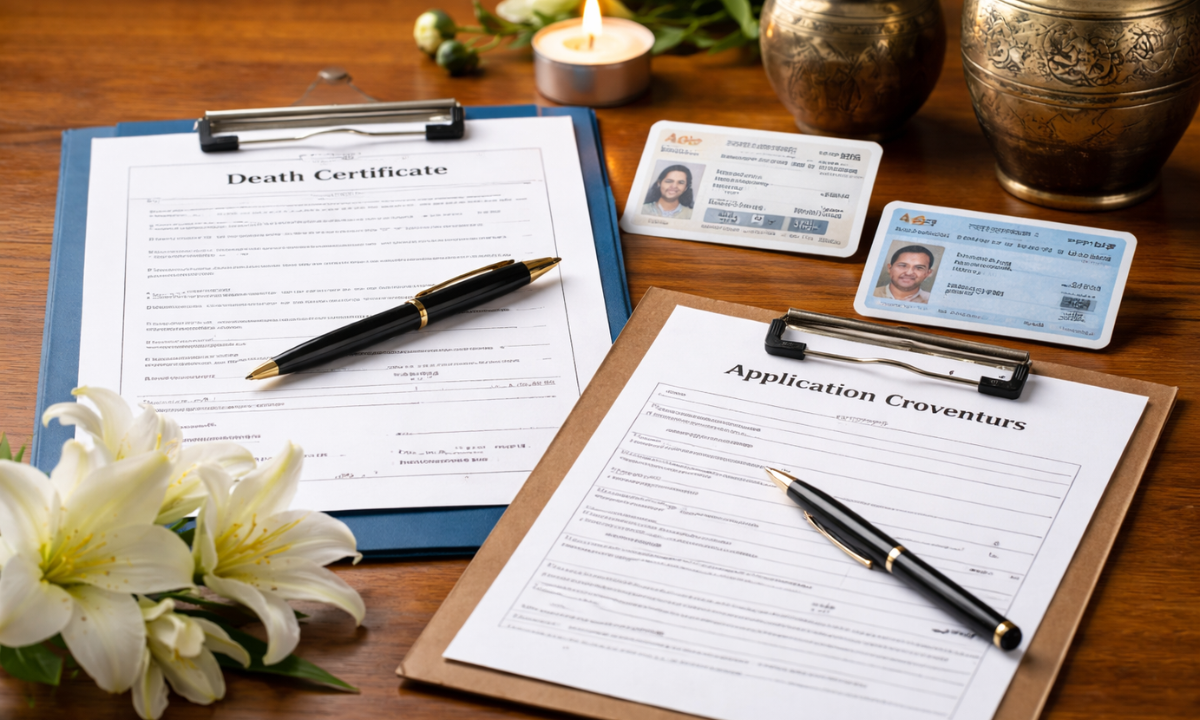
Before proceeding with cremation, we must gather the documents required for cremation. Having the paperwork ready in advance makes the process smoother and prevents unnecessary delays at the crematorium.
In most cases, the crematorium authorities will verify identity details and cross-check the medical declaration before allowing the final rites. Even a small spelling mistake in the name or a missing document can delay the process, so it is important to check everything carefully.
Here is a helpful checklist:
- Original Death certificate (medical declaration)
- Aadhaar card or ID proof of the deceased
- ID proof of a family member
- Cremation application form (provided by crematorium)
Keeping these ready avoids last-minute delays during crematorium slot booking.
Step 8: Contact a Cremation Service Provider
Handling everything alone can be overwhelming, especially when emotions are still raw. During the death of a loved one, even simple coordination calls can feel exhausting and confusing. That is why many families choose professional support to ensure every arrangement is handled respectfully and without stress.
An experienced team understands local procedures, documentation requirements, and crematorium processes. They also guide us step by step, explaining what needs to be done and taking responsibility for timely coordination.
A reliable Cremation Service Provider can assist with:
- Ambulance transportation
- Freezer box arrangement
- Priest or religious arrangements
- Wood or electric cremation coordination
- Crematorium slot booking
- Ash collection guidance
- Documentation support
This support allows us to focus on grieving and being with family instead of managing logistics.
Step 9: Crematorium Slot Booking
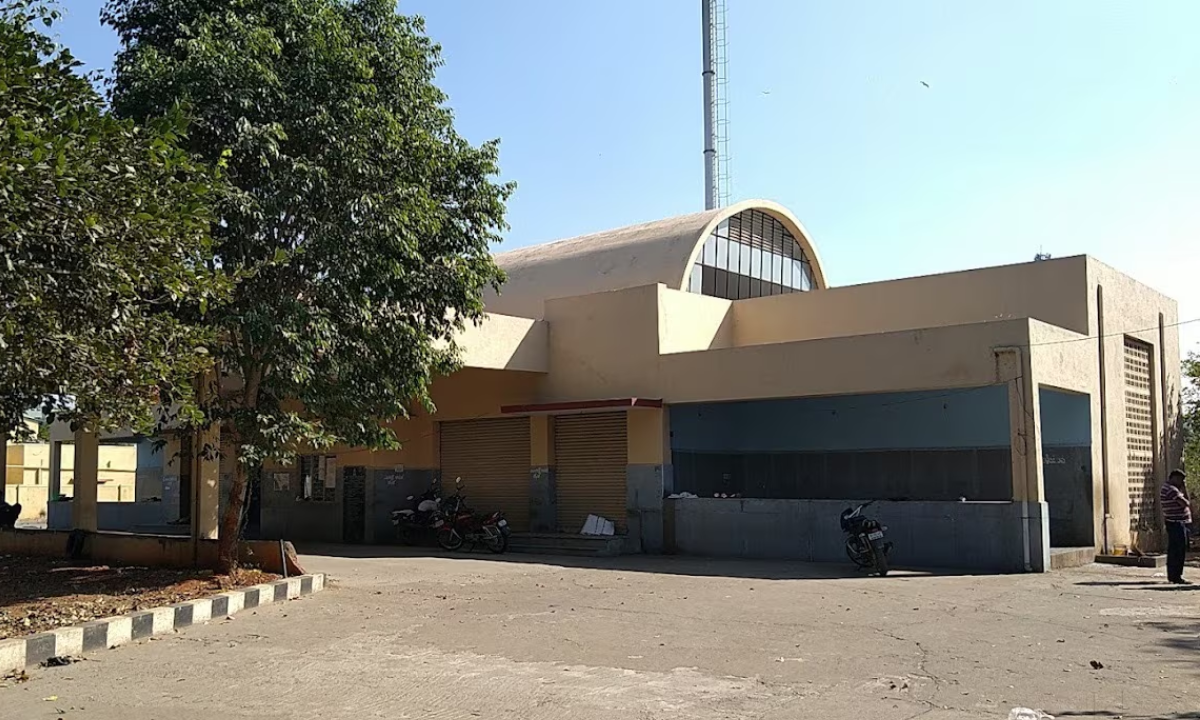
In Bangalore, crematoriums often require advance crematorium slot booking to avoid long waiting times. Due to limited daily capacity and high demand in certain areas, walking in without a confirmed slot may lead to unnecessary delays during an already emotional time.
Booking in advance helps families plan rituals properly and inform relatives about the exact timing. It also ensures that all required documents are verified beforehand, making the final process smooth and dignified.
Here is how the process usually works:
| Step | Action |
|---|---|
| 1 | Submit death certificate copy |
| 2 | Provide ID proof |
| 3 | Select electric or wood cremation |
| 4 | Confirm the available time slot |
| 5 | Receive booking confirmation |
Booking early ensures a smooth and dignified farewell.
Step 10: Prepare for Religious Rituals
Different communities have different customs. Some after-death rituals happen immediately at home, while others take place before or after cremation, depending on family traditions and beliefs.
It is helpful to speak with elders in the family or a trusted priest to understand the correct sequence of rituals. Planning these arrangements calmly ensures that everything is performed respectfully and without last-minute confusion.
Common preparations include:
- Arranging flowers and garlands
- Preparing ritual items such as diya, incense sticks, holy water, or specific offerings
- Informing a priest or spiritual guide
- Organizing prayer gatherings or chanting sessions
You may also need to arrange seating, mats, or basic refreshments if relatives and well-wishers are expected to visit. These rituals provide emotional closure, spiritual peace, and a meaningful way for family and friends to express their love and respect.
Administrative Tasks After Cremation
While the first few hours are critical, there are additional formalities to handle in the days and weeks that follow. These administrative steps may feel tiring, but completing them properly helps avoid legal or financial complications later.
It is advisable to keep a dedicated file with all documents, receipts, and copies of the Death certificate. Taking one task at a time and seeking guidance where needed can make the process less stressful for the family.
There are additional formalities to handle later:
- Register the death officially with the BBMP
- Apply for multiple copies of the death certificate
- Inform banks and insurance companies
- Close utility accounts
- Transfer property or pension benefits
Completing these tasks gradually prevents complications in the future.
Practical Tips During This Difficult Time
- Assign responsibilities to different family members.
- Keep a notebook to track documents and calls.
- Avoid making rushed financial decisions.
- Take rest and stay hydrated.
- Accept help from friends and relatives.
Grief is heavy, and it is okay to lean on support.
Final Thoughts
Losing someone we love is never easy, and knowing what to do after death can feel overwhelming. But when we take each step calmly, from obtaining the Death certificate to arranging cremation, the process becomes manageable and respectful.
Professional cremation services in Bangalore ensure that every ritual, document, and arrangement is handled with dignity and care. At Kaashimukthi, we understand the emotional weight of these moments and stand beside families as a compassionate guide, helping them navigate every legal and spiritual step with clarity.
When we know what to do, even in grief, we can offer our loved ones a peaceful and dignified final goodbye.
Frequently Asked Questions
1. What should we do first after death at home?
The first step is to remain as calm as possible and confirm the passing. If the death was expected due to illness, call the family doctor or attending medical practitioner to officially confirm and issue the medical declaration (Form 4A).
If the death is sudden or unexpected, immediately contact emergency services (108, 100, or 112) and avoid moving the body until authorities arrive.
2. Can we move the body immediately?
In most cases, it is advised not to move the body immediately, especially if the death was sudden, accidental, or unexplained. Medical or police verification must be completed first.
In expected natural deaths confirmed by a doctor, gentle preparation, such as closing the eyes or straightening the body, may be done respectfully before further arrangements begin.
3. How soon should cremation be arranged?
Cremation is usually arranged within 24 hours, depending on religious customs and family preferences. However, it may be delayed if close relatives are travelling from far away or if legal procedures are pending.
In such situations, arranging a freezer box helps preserve the body respectfully until the cremation can take place without urgency or stress.
4. How many copies of the Death certificate are needed?
It is generally advisable to obtain at least 10–15 copies of the Death certificate. Multiple copies are required for various administrative tasks such as closing bank accounts, claiming insurance, transferring property, and handling pension formalities.
Having sufficient copies in advance prevents repeated visits to government offices and reduces future inconvenience.
5. Who helps with BBMP registration?
Families can approach the BBMP office directly for registration, but many prefer professional assistance to simplify the process.
Reliable providers offering BBMP death certificate services in Bangalore help with documentation, application submission, and follow-ups. This ensures accurate registration and timely issuance of certificates and reduces the burden on grieving family members.
Reference

Madhu is an Entrepreneur, a Mentor, a Writer and an Aspiring Car Race Driver. He is Deeply passionate about leveraging Technology and Human Centred Design to make complex care and End of Life Planning easier. With the ultimate aim of Improving the quality of Life in the Twilight years. Madhu is highly educated and Alumni of IIM-Bangalore, Sikkim Manipal University and Bangalore University besides a Rich Industry Experience in the field of Product Management, Design, Supply chain, Finance, Commercial Management and Funeral Services.