
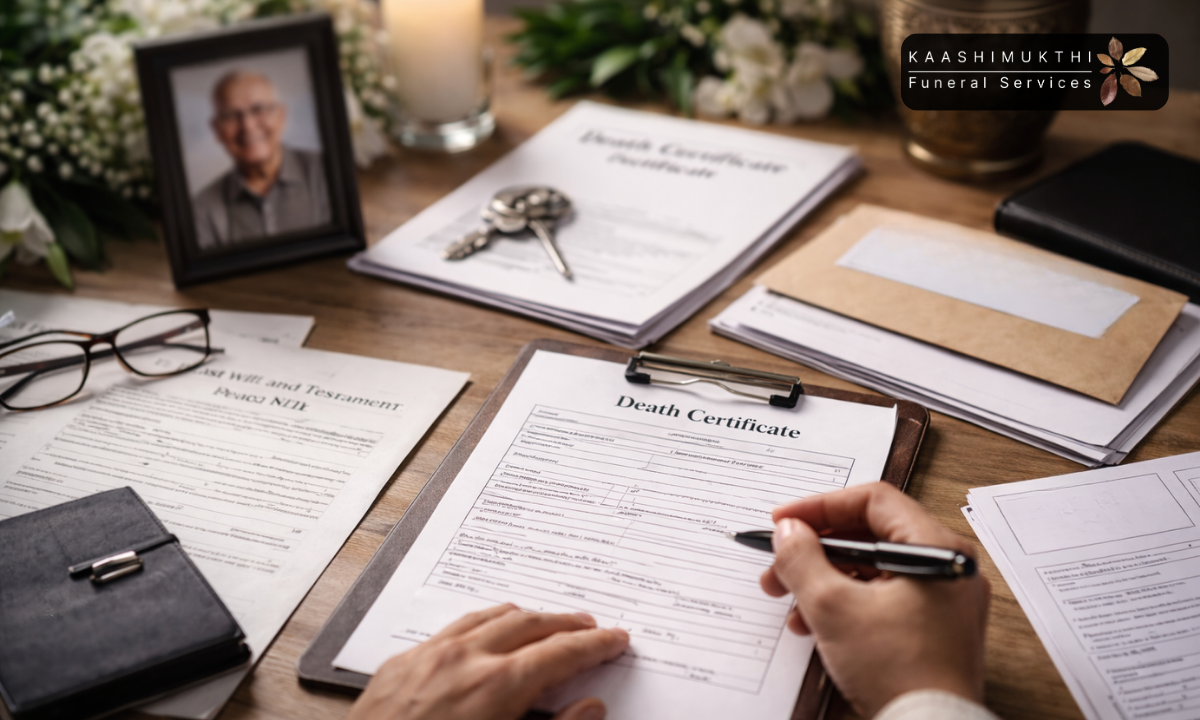
Losing a loved one is never easy, and in the midst of grief, being suddenly faced with formalities and paperwork can feel overwhelming and confusing. At such emotional times, understanding the documents required for funeral services can ease stress and help you focus on what truly matters: honoring your loved one with dignity.
Whether you are arranging funeral services in Bangalore, having the right paperwork ready can make the entire process smoother and faster, so let’s walk through everything you need to know step by step.
Key Points at a Glance
- A Medical certificate is the first and most essential document.
- The Death certificate is legally required for all further formalities.
- Identity proof of both the deceased and the applicant is mandatory.
- A Police NOC is needed in case of unnatural death.
- Cremation or burial requires an official authorisation letter.
- Multiple copies of documents can save time in legal and financial processes.
- Special cases like repatriation require additional paperwork.
Why Documentation Matters in Funeral Services
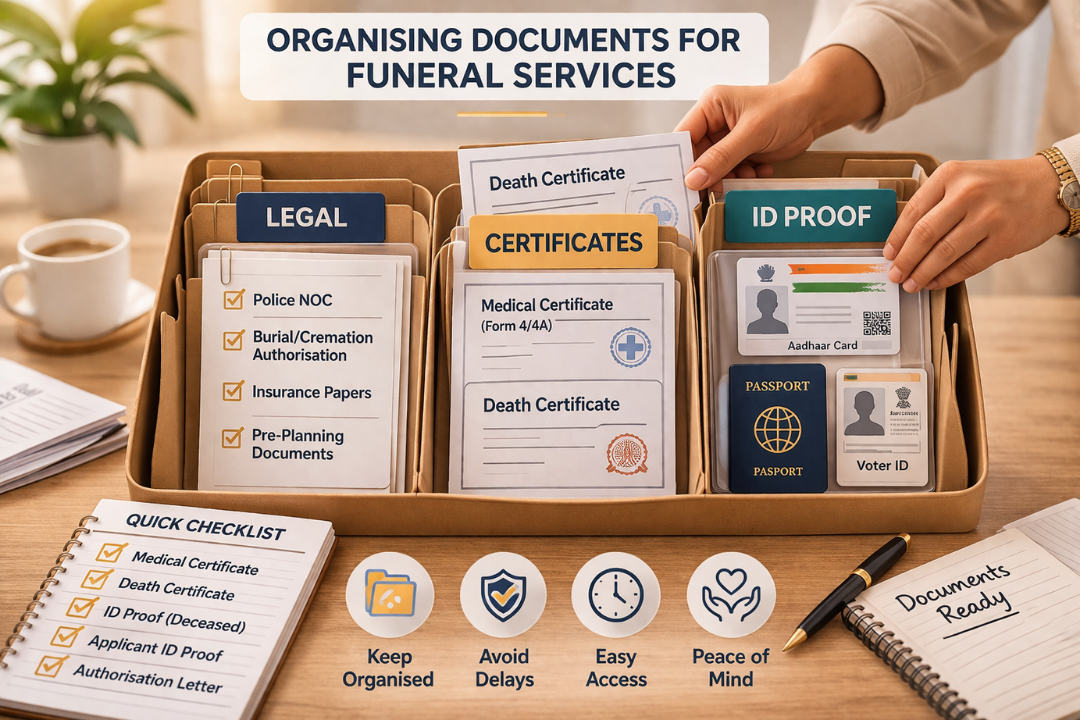
Handling documentation may feel overwhelming, but it is a crucial step in ensuring a respectful and legally compliant farewell. Without proper documents, delays can occur in cremation or burial processes, adding unnecessary stress during an already difficult time. In fact, according to civic guidelines, death registration is often required within 3 to 7 days, making timely documentation not just important but urgent.
Moreover, accurate documentation helps prevent legal complications in the future, especially when dealing with property, insurance claims, or financial settlements. It also ensures that all procedures are carried out transparently and in accordance with local regulations. Most importantly, having everything in order allows families to focus on grieving and honouring their loved one, rather than navigating last-minute hurdles.
Essential Documents Required for Funeral Services
Here’s a detailed breakdown of the most important paperwork you will need:
1. Medical Certificate of Cause of Death

This is the first document issued immediately after death.
- Provided by a hospital or a registered doctor
- Also known as Form 4/4A
- Confirms the exact cause of death
Without this medical certificate, further processes cannot begin.
2. Death Certificate
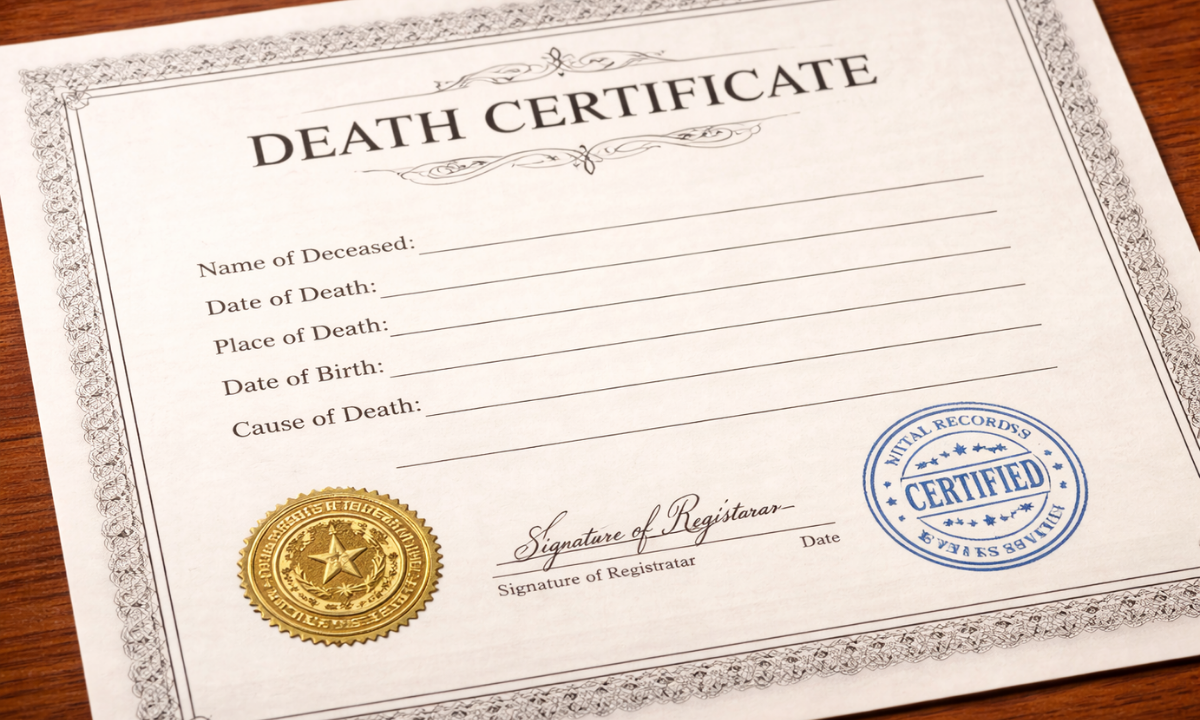
The Death certificate is the most critical legal document.
- Issued by the local municipal authority
- Required for insurance claims, bank closures, and legal formalities
- Must be obtained within a few days of death
Tip: Always request multiple copies (at least 10), as they are needed for various official purposes.
3. Identity Proof of the Deceased
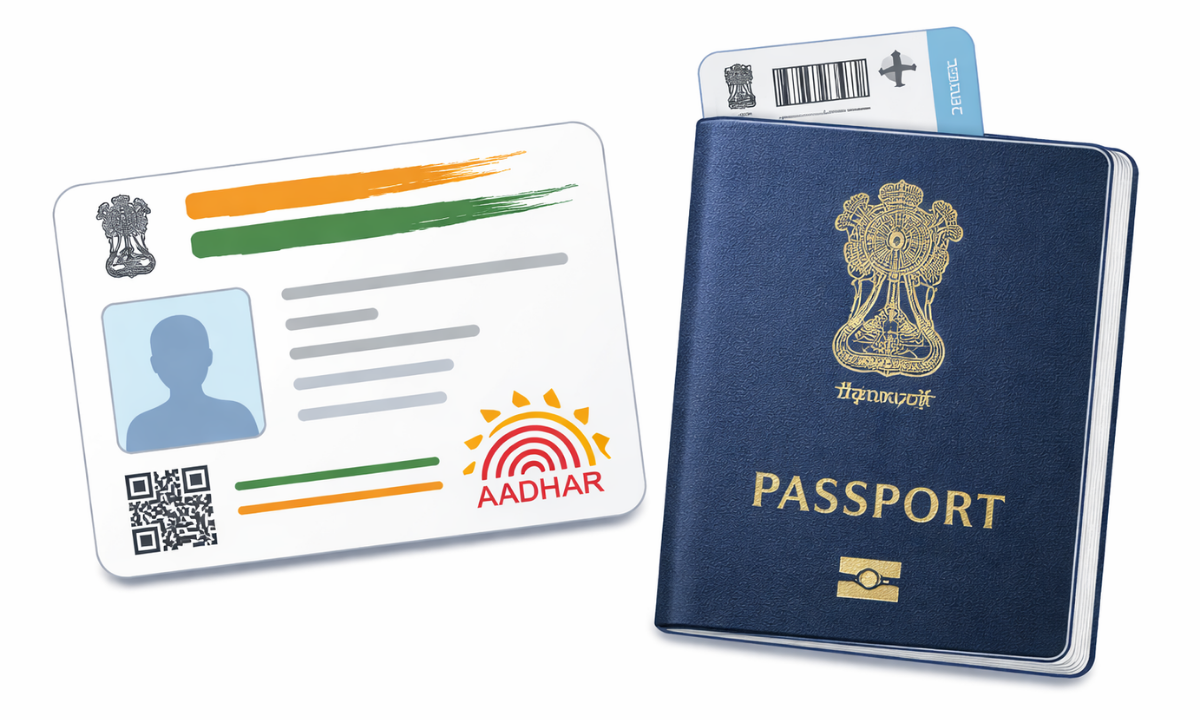
To verify the identity of the individual, one of the following is required:
- Aadhaar Card
- Passport
- Voter ID
This Identity proof ensures accuracy in official records and documentation.
4. Identity Proof of the Applicant
The person arranging the funeral must also provide a valid ID:
- Aadhaar Card
- Voter ID
- Driving Licence
This helps establish the relationship and authorisation for handling funeral arrangements.
5. Cremation or Burial Authorization Letter

Before proceeding with the final rites, you must secure permission from the crematorium or burial ground.
- Required to book a slot
- Issued after submitting the necessary documents
- Mandatory for both burial and cremation
This document is especially important for cremation services in Bangalore, where demand and scheduling can be high.
6. Police NOC (No Objection Certificate)
A Police NOC is required in specific cases, such as:
- Accidental death
- Suicide
- Unnatural or suspicious circumstances
This document confirms that there is no legal objection to proceeding with the funeral.
7. Pre-Funeral or Insurance Documents
If the deceased had made prior arrangements, you may need:
- Funeral pre-planning documents
- Insurance papers
- Will or legal instructions
These documents can simplify decision-making and reduce emotional burden.
Documents Required in Special Situations
Certain situations may require additional documentation beyond the standard paperwork. Being aware of these in advance can help avoid unexpected delays and ensure a smooth process.
- Repatriation (Transporting the body): When transporting the deceased across cities or countries, you will need an Embalming Certificate, a No Communicable Disease Certificate issued by health authorities, and relevant airline or transportation documents. These ensure safe and compliant transit.
- Military Honours: If the deceased served in the armed forces, official discharge papers or service records are required to arrange military honours. These documents verify eligibility and help coordinate ceremonial protocols.
- Interstate Transport: When moving the body from one state to another, a transit permit is mandatory. In most cases, an embalming certificate is also required to ensure preservation during the journey.
Understanding these requirements in advance can make handling special circumstances much more manageable during an emotional time.
Common Challenges and How to Overcome Them
Many families face delays due to incomplete documentation. Here’s how to avoid common issues:
- Missing documents: Keep a checklist handy and verify everything beforehand
- Time delays: Start the process immediately after obtaining the medical certificate
- Confusion: Seek professional help if unsure about procedures
Pro Tip: Organising documents in a folder can save hours during urgent situations.
Step-by-Step Process to Manage Funeral Documentation
To simplify things, follow this structured approach:
- Obtain the medical certificate from the hospital or doctor, as this is the first official confirmation required to initiate all further procedures.
- Register the death and apply for the death certificate at the local municipal office or online portal, ensuring all details are accurate to avoid delays.
- Gather all identity proof documents of both the deceased and the applicant to validate records and authorisations.
- Apply for cremation/burial authorisation, which is necessary to secure a slot at the crematorium or burial ground.
- Secure a police NOC if required, especially in cases involving accidental or unnatural deaths, to confirm there are no legal objections.
- Arrange additional documents for special cases, such as repatriation, insurance claims, or pre-planned funeral arrangements.
Following these steps ensures a smooth and respectful process, helping you avoid last-minute complications while allowing you to focus on bidding a dignified farewell.
Practical Tips to Make the Process Easier
- Keep digital and physical copies of all documents
- Inform close family members about document locations
- Contact local authorities early to avoid last-minute stress
- Use professional funeral service providers for guidance
Final Thoughts
Managing the documents required for funeral services may feel like a daunting task, but having the right knowledge can bring clarity during difficult times. Whether you are arranging funeral services in Bangalore or elsewhere, being prepared with the necessary paperwork ensures a smooth and respectful farewell.
At such moments, compassionate support can make all the difference, and organisations like Kaashimukthi are dedicated to guiding families through every step with care, dignity, and professionalism.
Frequently Asked Questions
1. How long does it take to get a death certificate?
The time required to obtain a death certificate usually ranges between 3 and 7 working days, depending on the local municipal authority and the accuracy of the submitted details. In some cities, online applications can speed up the process slightly. However, delays may occur if documents are incomplete or verification is pending, so it is always advisable to apply as early as possible after receiving the medical certificate.
2. Is a Police NOC always required?
A Police NOC is not required in every case of death. It becomes mandatory only when the death occurs under unnatural or suspicious circumstances, such as accidents, suicides, or unknown causes. This document ensures that there are no legal objections before proceeding with funeral arrangements. For natural deaths certified by a doctor, families can usually proceed without needing police clearance.
3. Can funeral services proceed without a death certificate?
No, funeral services cannot proceed without a death certificate in most cases. This document serves as official proof of death and is required to obtain permission for cremation or burial. It also ensures that the process is recorded under government regulations. Without it, families may face delays or legal complications, making it essential to prioritize obtaining this document quickly.
4. Why are multiple copies of the death certificate needed?
Multiple copies of the death certificate are necessary because it is required for several legal and financial procedures after the funeral. These include closing bank accounts, claiming insurance, transferring property, and updating official records. Since many institutions require original or certified copies, having extra copies readily available saves time, avoids repeated applications, and reduces stress during an already difficult period.
5. Are documents different for cremation and burial?
The core documents required for both cremation and burial are largely the same, including the death certificate, medical certificate, and identity documents. However, the process of obtaining authorization may differ slightly depending on the facility or religious practices. For example, crematoriums may require booking slots in advance, while burial grounds may have different permission procedures, making it important to check local requirements beforehand.
Reference

Madhu is an Entrepreneur, a Mentor, a Writer and an Aspiring Car Race Driver. He is Deeply passionate about leveraging Technology and Human Centred Design to make complex care and End of Life Planning easier. With the ultimate aim of Improving the quality of Life in the Twilight years. Madhu is highly educated and Alumni of IIM-Bangalore, Sikkim Manipal University and Bangalore University besides a Rich Industry Experience in the field of Product Management, Design, Supply chain, Finance, Commercial Management and Funeral Services.