
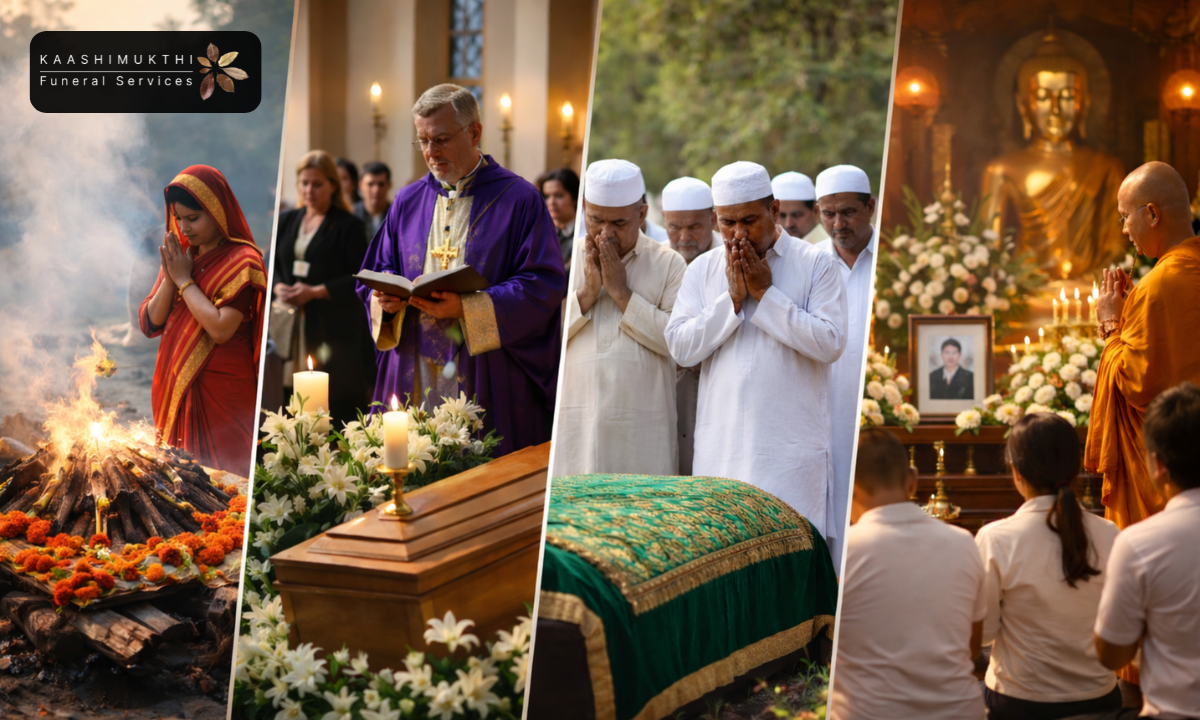
When we talk about funeral traditions in different religions, we uncover deeply meaningful rituals that reflect beliefs about life, death, and the afterlife. These traditions are not just ceremonies; they are emotional journeys that help families cope, heal, and honour their loved ones.
Whether you are seeking understanding or looking for reliable funeral services in Bangalore, knowing these customs can offer comfort and clarity during difficult times. But what makes each religion’s farewell so unique and profound? Let’s explore.
Key Takeaways
- Every religion follows distinct funeral rituals rooted in spiritual beliefs
- Cremation, burial, and prayer rituals vary significantly across cultures
- Understanding traditions helps in making informed and respectful decisions
- Emotional support and professional assistance play a crucial role in modern funerals
- Cultural sensitivity ensures dignified and meaningful farewells
Why Understanding Funeral Traditions Matters
Funeral practices are deeply tied to faith and identity. They provide structure during grief and offer a way to express respect, love, and remembrance.
In today’s multicultural world, especially in cities like Bangalore, families often interact with diverse traditions. Knowing these differences ensures that ceremonies are conducted with respect, accuracy, and dignity.
Moreover, being aware of these after-death rituals and funeral customs helps avoid unintentional mistakes that could hurt sentiments during sensitive moments. It also empowers families to make informed decisions quickly, especially when time-bound rituals are involved. Ultimately, this understanding brings a sense of peace, confidence, and emotional comfort when it is needed the most.
Hindu Religion Funeral
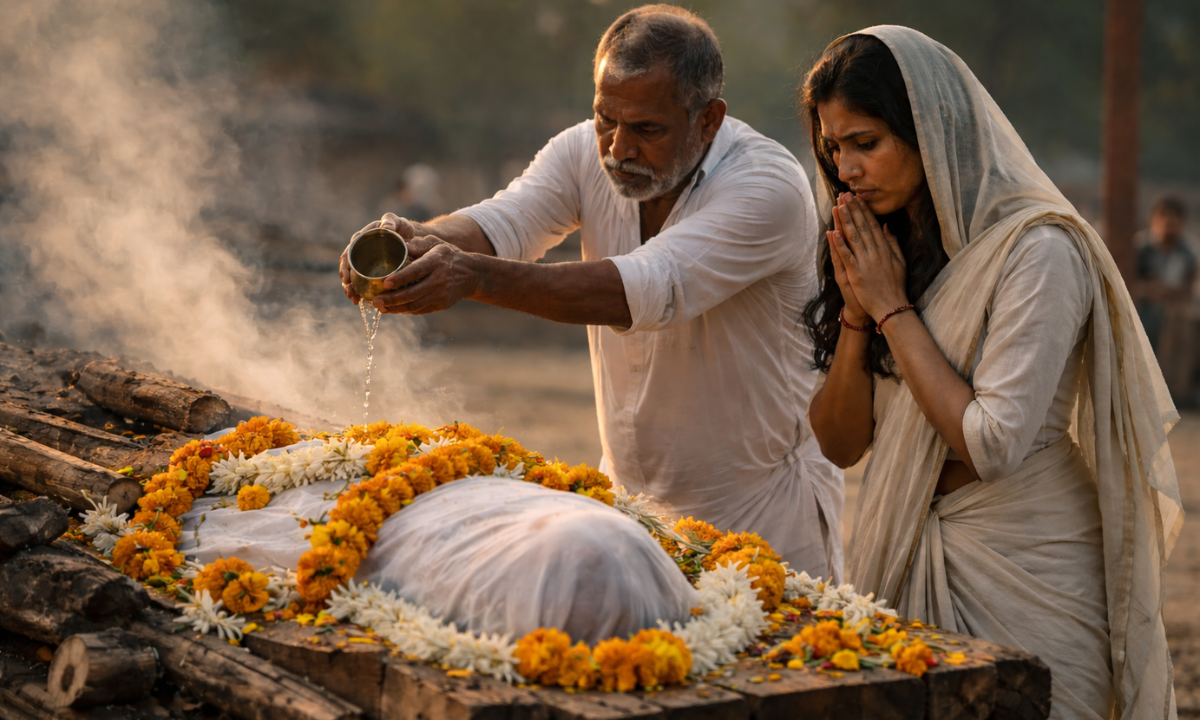
A Hindu funeral is centred around the belief in reincarnation and the cycle of life and death (samsara). The goal is to help the soul attain moksha (liberation).
These traditional rituals are deeply spiritual and are performed with great care to ensure the soul’s peaceful transition to the next life. Family members play an active role, as it is believed that their actions and prayers significantly impact the journey of the departed soul. The ceremonies also bring relatives together, creating a shared space for grief, support, and remembrance.
Key Rituals:
- The body is usually cremated, often within 24 hours
- The eldest son or a close male relative performs the last rites
- Ashes are immersed in sacred rivers like the Ganga
- A mourning period of 10–13 days is observed
These rituals emphasise detachment, purity, and spiritual liberation, making cremation an essential practice.
Funeral in Christianity
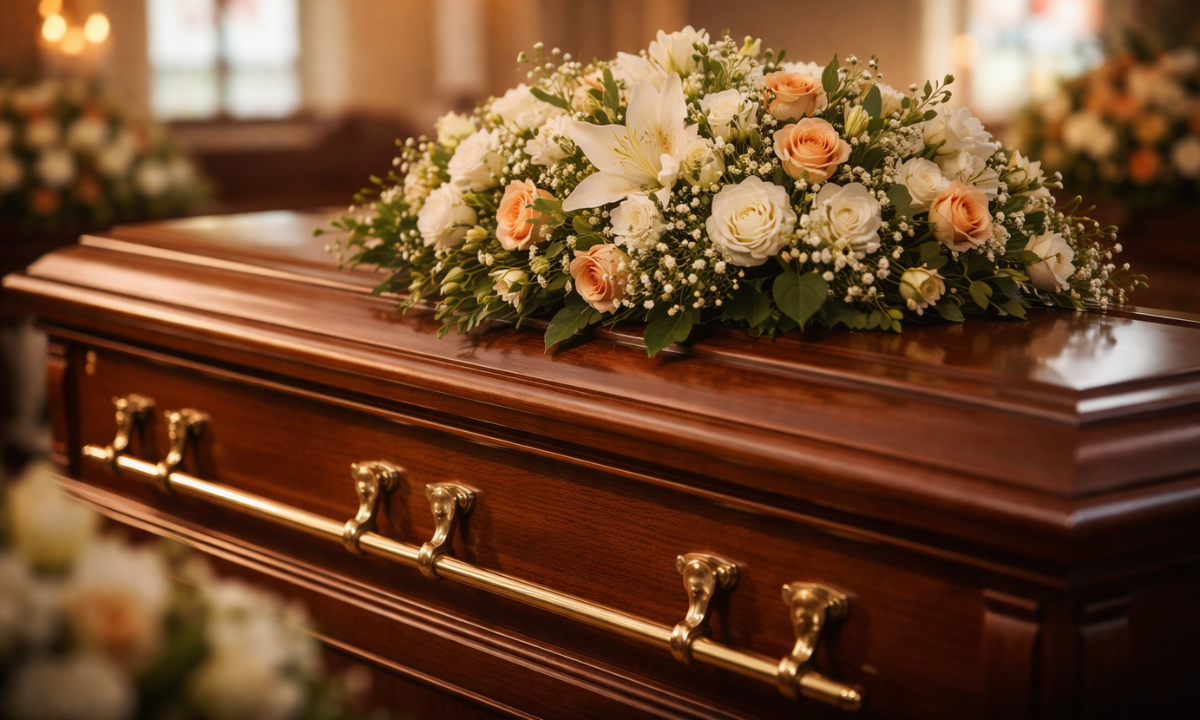
A funeral in Christianity focuses on the belief in eternal life and resurrection. It is both a mourning and a celebration of the deceased’s life.
These ceremonies are often deeply comforting, as they emphasise hope, faith, and the promise of reunion in the afterlife. Family and friends come together not only to grieve but also to honour the person’s life, values, and memories. The service also serves as a reminder of God’s love and the belief that death is not the end, but a transition to a new beginning.
Key Elements:
- The body is typically buried, although cremation is increasingly accepted
- A church service includes prayers, hymns, and Bible readings
- Loved ones gather to offer condolences and support
- Memorial services may be held days or weeks later
Christian funerals provide comfort through the promise of life after death and reunion with God.
Funeral Customs in the Muslim Religion
The funeral customs of the Muslim religion are guided strictly by Islamic teachings, emphasising simplicity and respect.
These rituals are carried out with a strong sense of discipline and devotion, ensuring that the deceased is honoured in accordance with religious principles. The process also reflects equality, as all individuals are treated the same in death, regardless of their social or economic status. Family and community members actively participate, offering prayers and support to help ease the grieving process.
Important Practices:
- Burial takes place as soon as possible, usually within 24 hours
- The body is washed (Ghusl) and wrapped in a white shroud (Kafan)
- A special prayer called Salat al-Janazah is performed
- Cremation is strictly prohibited
The focus is on humility, equality, and returning the body to the earth, symbolising the temporary nature of life.
Sikh Religion Funeral
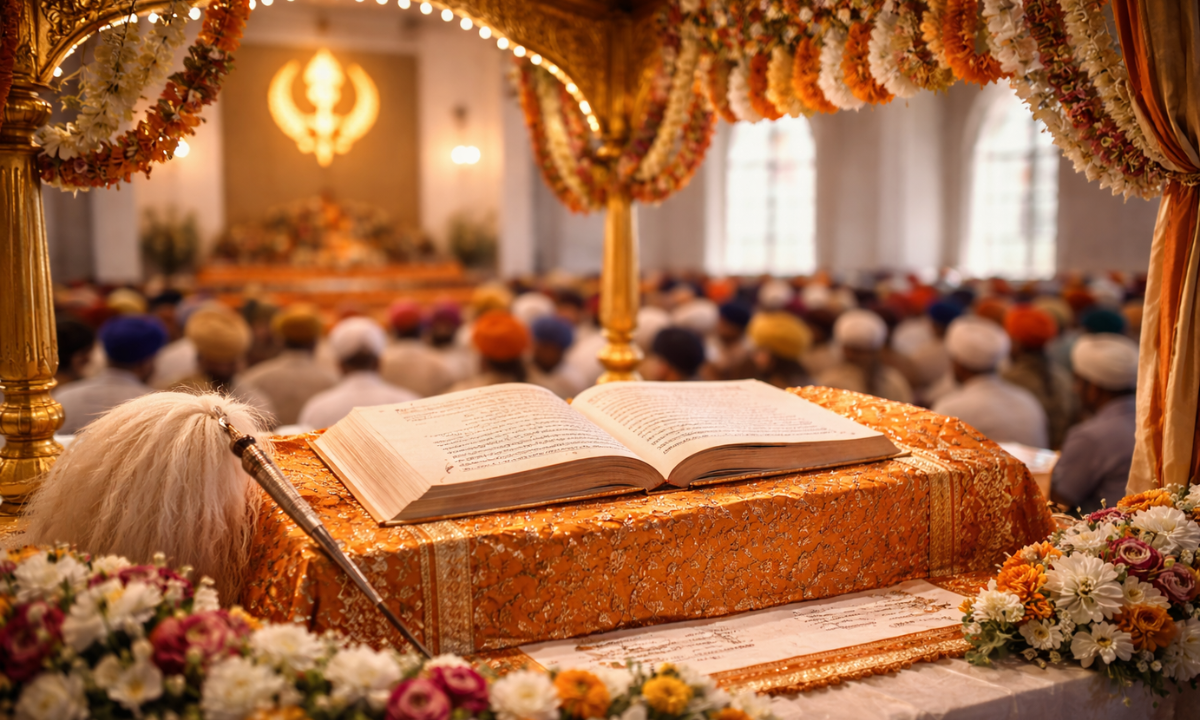
A sikh religion funeral reflects acceptance of God’s will (Hukam) and focuses on remembering the divine.
These ceremonies are calm and spiritually uplifting, encouraging families to stay strong and accept the natural cycle of life and death. Rather than expressing intense sorrow, the emphasis is on prayer, gratitude, and celebrating the soul’s union with the Creator. Community support plays a vital role, helping the family find strength and peace during the grieving process.
Key Rituals:
- The body is cremated, similar to Hindu traditions
- Prayers from the Guru Granth Sahib are recited
- A gathering called ‘Antam Sanskar’ is conducted
- Mourning is replaced with spiritual reflection and acceptance
Sikh funerals emphasise peace, dignity, and faith in God’s plan, rather than prolonged grief.
Parsi Religion Funeral
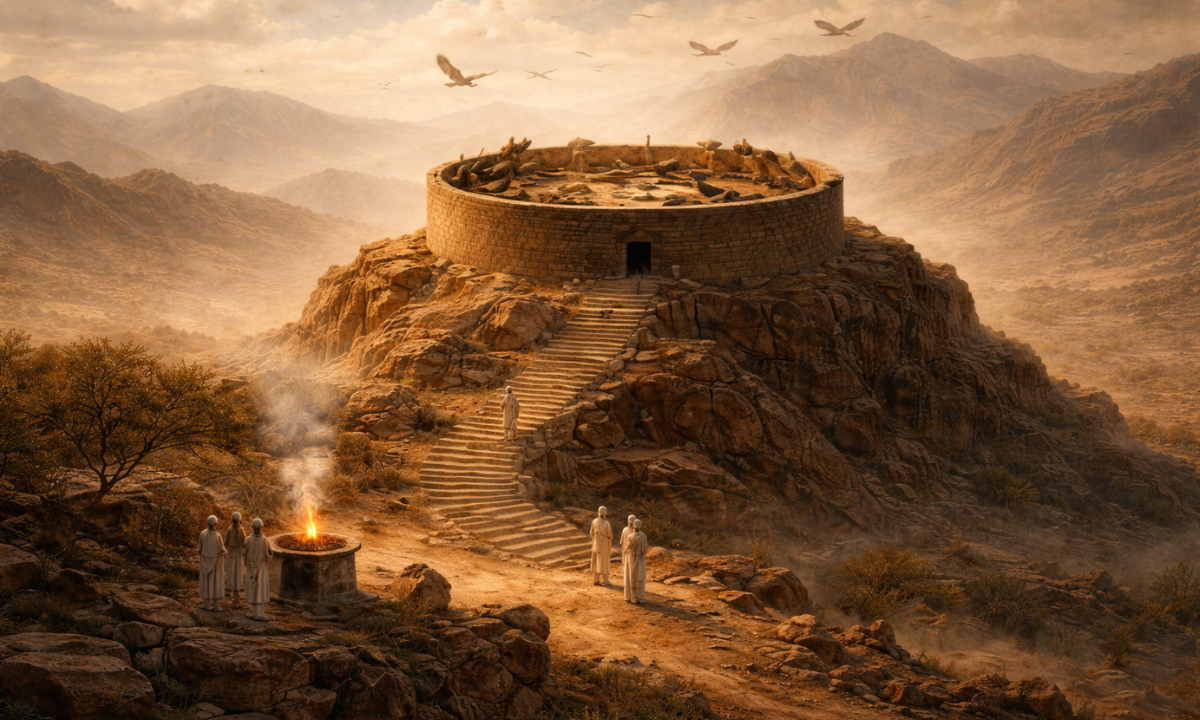
The Parsi religion funeral is one of the most unique and environmentally conscious practices. It is deeply rooted in Zoroastrian beliefs that emphasize purity and the sacredness of natural elements like earth, fire, and water. Since a dead body is considered impure, the rituals are designed to ensure that these elements remain uncontaminated.
Traditional Practice:
- The body is placed in a Tower of Silence (Dakhma)
- It is exposed to natural elements and birds, especially vultures
- This avoids contaminating earth, fire, or water
Modern Adaptations:
- Due to declining vulture populations, some Parsis now opt for cremation or burial alternatives
- Solar concentrators and other methods are also being explored to aid natural decomposition
This tradition reflects a deep respect for nature and the purity of elements, while also showing how ancient customs can thoughtfully adapt to modern environmental challenges.
The Role of Modern Funeral Services
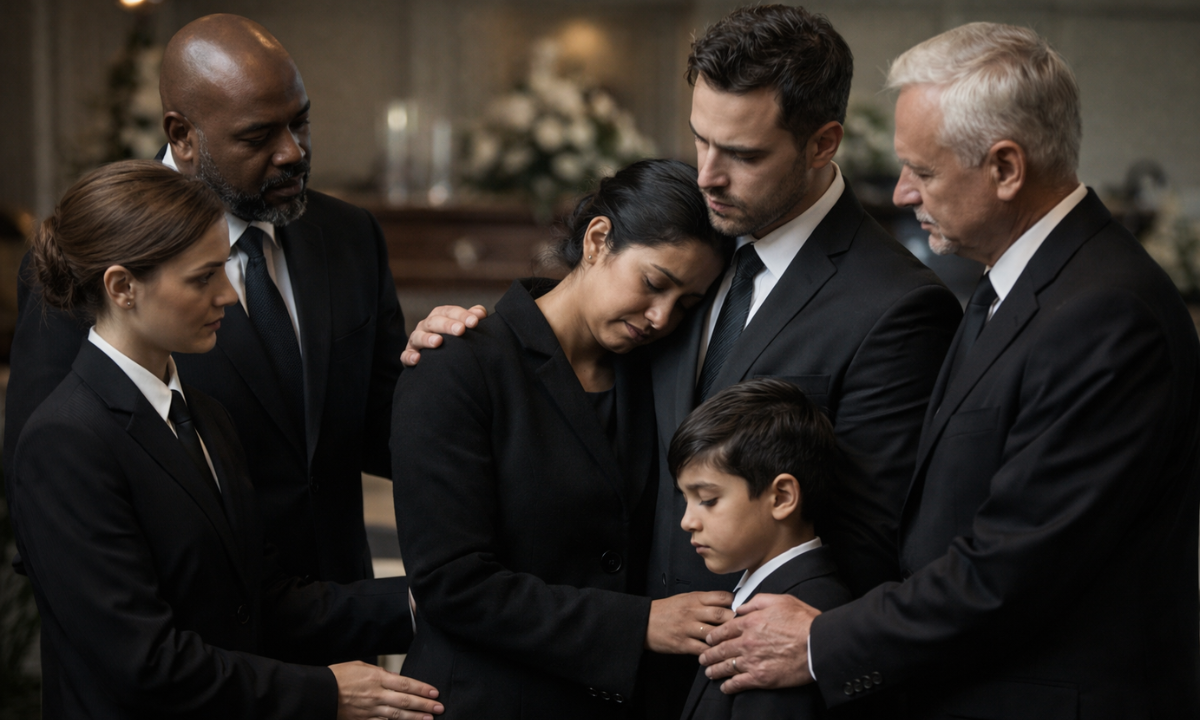
In urban settings, managing rituals while coping with grief can feel overwhelming. This is where professional assistance becomes invaluable.
Today, many families rely on cremation services in Bangalore and end-to-end funeral support to handle:
- Documentation and legal formalities
- Ritual arrangements as per religion
- Transportation and logistics
- Emotional and on-ground support
These services ensure that traditions are followed accurately and respectfully, without adding stress to grieving families.
Tips for Choosing the Right Funeral Service
Choosing the right funeral service during emotional times can be challenging. Here are some practical tips:
- Choose providers experienced in multiple religious customs
- Check for 24/7 availability and quick response
- Ensure transparency in pricing and services
- Look for compassionate, trained professionals
- Read reviews or seek recommendations
A reliable service provider ensures that every ritual is conducted with care, dignity, and cultural sensitivity.
Final Thoughts
Understanding funeral traditions in different religions is more than just knowledge; it is about empathy, respect, and preparedness. In a diverse society, being aware of these practices helps us support others and make informed decisions during emotional times.
If you are looking for compassionate and reliable funeral services in Bangalore, choosing experienced providers like Kaashimukthi ensures that every farewell is handled with dignity, care, and deep cultural understanding.
Frequently Asked Questions
1. Why do funeral traditions differ across religions?
Funeral traditions differ because each religion has its own beliefs about life, death, and what happens after death. These beliefs influence how the body is treated, the type of rituals performed, and the role of prayers or ceremonies. Cultural practices and regional influences also shape these customs, making each tradition unique while still serving the common purpose of honoring the deceased and supporting grieving families.
2. Is cremation allowed in all religions?
No, cremation is not allowed in all religions, as practices vary based on spiritual beliefs. Hindu and Sikh traditions commonly prefer cremation as it symbolizes the release of the soul. In contrast, Islam strictly prohibits cremation and requires burial. Christianity traditionally followed burial but now accepts cremation in many denominations, giving families more flexibility while still respecting religious sentiments.
3. How soon should a funeral be conducted?
The timing of a funeral depends on religious customs and beliefs. In Hindu and Muslim traditions, funerals are usually conducted within 24 hours due to spiritual and practical reasons. Sikh funerals also typically take place within a day. However, Christian funerals are more flexible and may be scheduled days later, allowing time for family gatherings, travel, and memorial planning.
4. Can modern services handle multiple religious customs?
Yes, modern funeral service providers are well-equipped to handle multiple religious customs with care and precision. They are trained to understand different rituals, timelines, and cultural sensitivities, ensuring that every ceremony is conducted respectfully. These services also manage logistics, documentation, and coordination, allowing families to focus on grieving and remembrance without worrying about the complexities of arrangements.

Madhu is an Entrepreneur, a Mentor, a Writer and an Aspiring Car Race Driver. He is Deeply passionate about leveraging Technology and Human Centred Design to make complex care and End of Life Planning easier. With the ultimate aim of Improving the quality of Life in the Twilight years. Madhu is highly educated and Alumni of IIM-Bangalore, Sikkim Manipal University and Bangalore University besides a Rich Industry Experience in the field of Product Management, Design, Supply chain, Finance, Commercial Management and Funeral Services.