
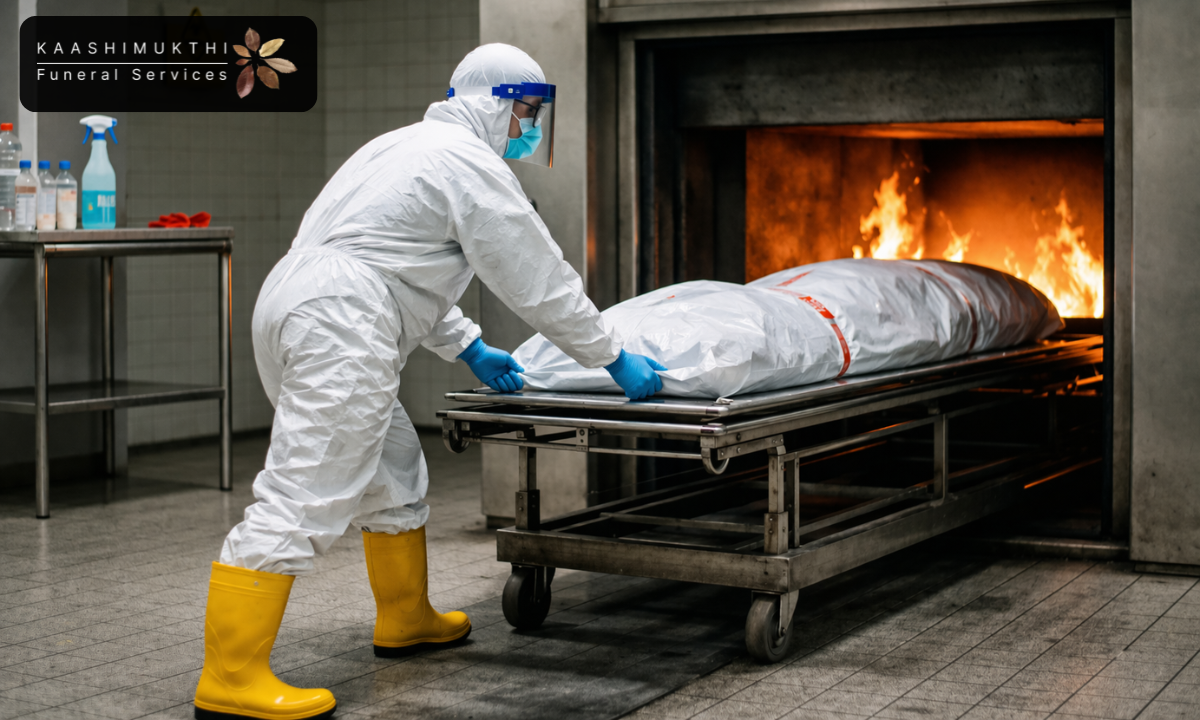
Losing a loved one is always painful, and the situation becomes even more overwhelming when the death is due to an infectious illness. During such times, understanding cremation for infectious cases becomes essential, especially in situations such as COVID and other contagious illnesses, so we can ensure both safety and dignity in the final rites.
Many families today rely on trusted cremation services in Bangalore to guide them through these sensitive moments with care and clarity.
While emotions can make it difficult to focus on procedures, knowing the right steps, safety measures, and legal requirements can make the process smoother and less stressful. What exactly should we know to handle such a situation safely and respectfully?
Key Points to Remember
- Cremation is generally recommended for infectious cases due to safety reasons
- Proper handling of the body reduces the risk of infection spread
- PPE and hygiene protocols must always be followed
- Having the death certificate and essential documents ready avoids delays
- Choosing a reliable funeral service provider simplifies the entire process
- The place of cremation must follow government-approved guidelines
- Families should limit physical contact, but can still perform rituals safely
Why Special Guidelines Are Needed
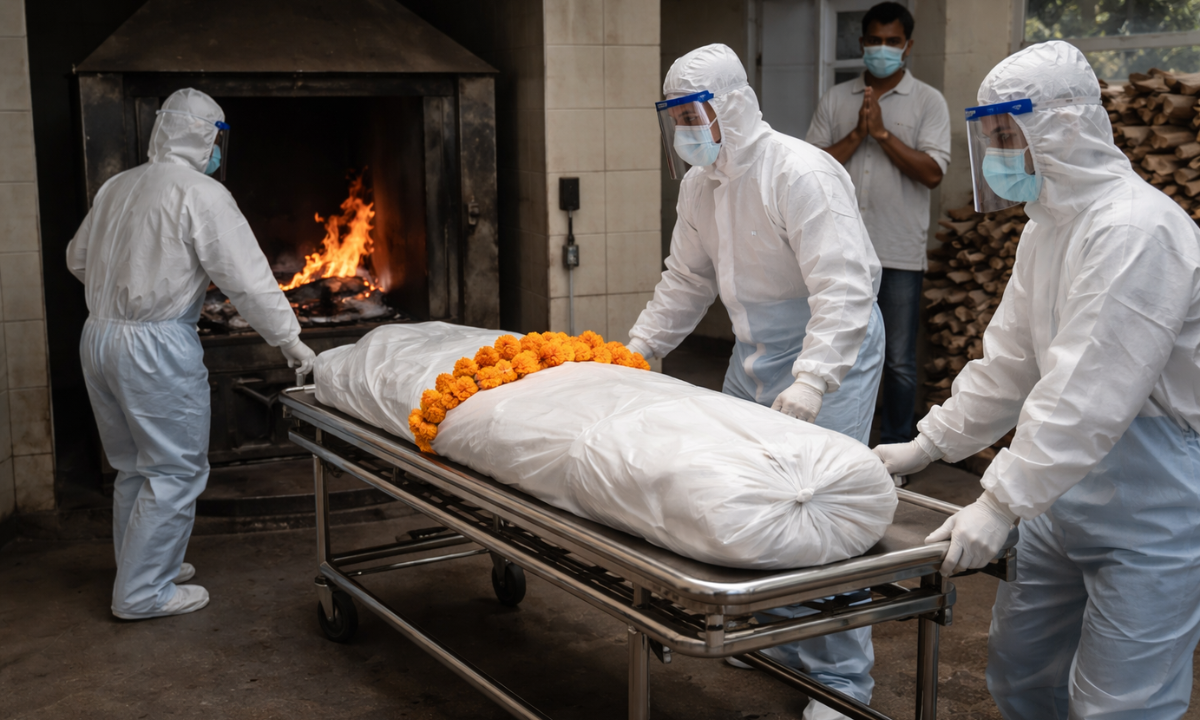
Infectious diseases can spread through respiratory droplets and contaminated surfaces. Even after death, certain precautions are necessary to prevent exposure during the cremation process after death.
Authorities introduced clear protocols for cremation to ensure that families, healthcare workers, and crematorium staff remain safe. These guidelines are important for maintaining safety while treating the departed with dignity and respect.
Step-by-Step Cremation Process for Infectious Cases
When we understand each step clearly, it becomes easier to stay calm and prepared during such an emotional time. Following a structured process also helps ensure that all safety guidelines are properly maintained without confusion or delays.
These steps are designed to protect both the family and the professionals involved, while still maintaining respect and dignity for the departed.
Here is a simplified overview of how the process usually works:
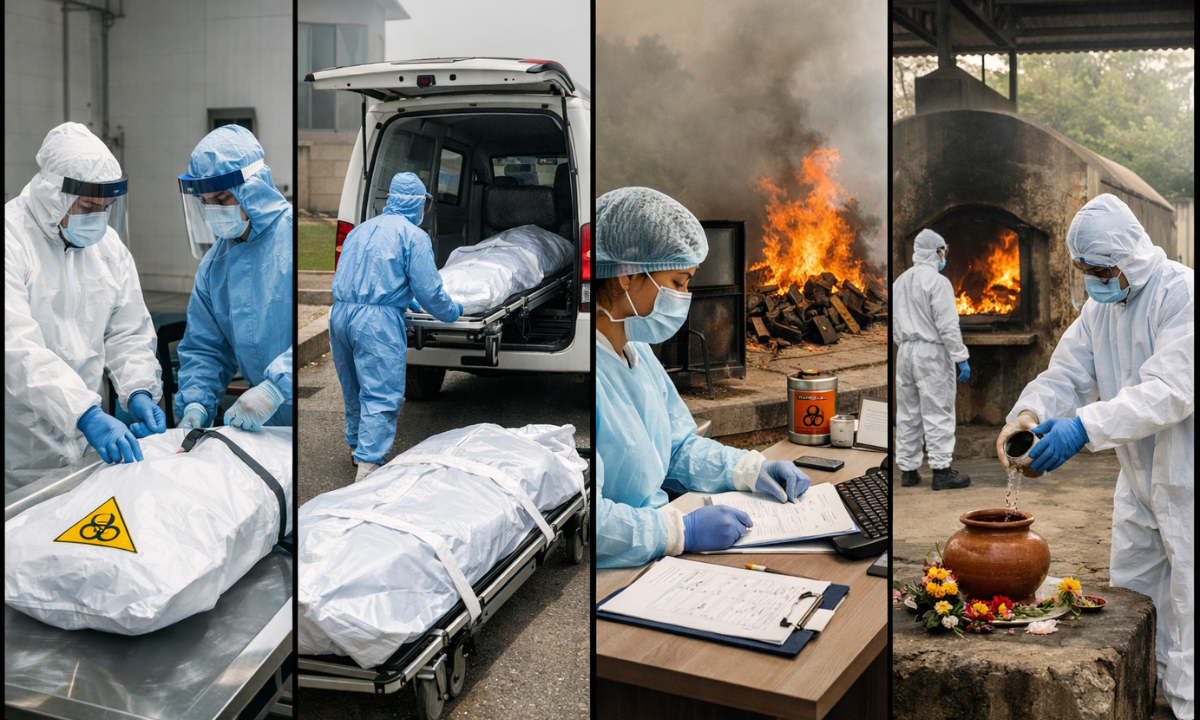
| Step | What Happens | Key Safety Measure |
|---|---|---|
| Body Preparation | The body is sealed in a leak-proof bag | Minimal handling |
| Transport | The ambulance transfers the body | Sanitised vehicle |
| Documentation | Verification of identity and paperwork | Contactless handling |
| At Cremation Ground | The body was placed directly for cremation | Restricted access |
| Final Rituals | Limited family participation | Social distancing |
This structured approach ensures safety without compromising dignity.
Essential Documents Required
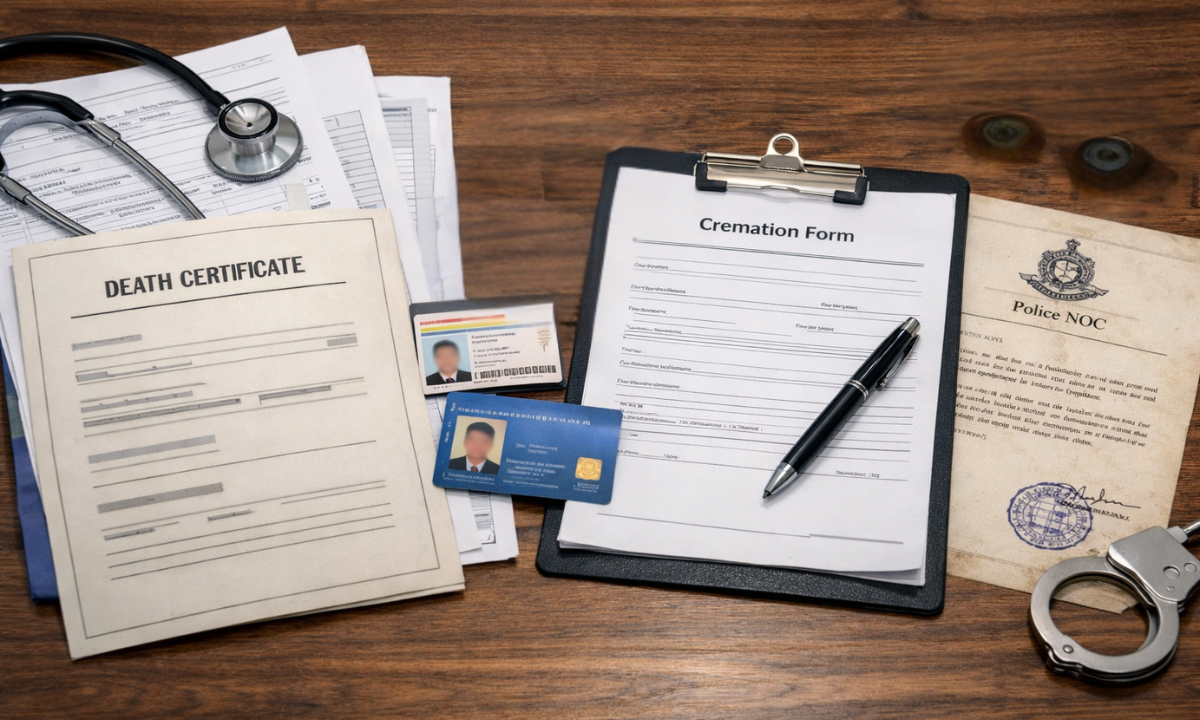
Before proceeding, we must keep all required documents ready. Missing paperwork can delay the cremation process.
| Document | Purpose |
|---|---|
| Death certificate | Official confirmation of death |
| Hospital records | Cause of death verification |
| ID proof | Identity confirmation |
| Cremation form | Permission for cremation |
| Police NOC (if required) | In special or medico-legal cases |
Having these essential documents organized in advance reduces stress during an already emotional time.
Safety Measures We Must Follow
In such situations, we must remember that small, mindful actions can make a big difference in preventing the spread of infection. Staying informed and following proper guidelines not only protects us but also helps safeguard everyone involved in the process.
By being careful and responsible, we can ensure that the final rites are conducted with both dignity and safety.
Safety is the most important aspect when dealing with infectious cases. Here are some key precautions we should always follow:
Personal Safety
- Wear masks and gloves, and sanitise hands frequently
- Avoid touching the body directly
- Maintain physical distance at all times
At the Cremation Ground
- Limit the number of attendees
- Follow the instructions from the staff strictly
- Avoid crowding or gatherings
After the Rituals
- Wash your hands and clothes immediately
- Disinfect personal belongings
- Monitor health for any symptoms
Even simple precautions can significantly reduce risk.
Choosing the Right Place of Cremation
Selecting the correct place of cremation is important for both safety and convenience. Not all facilities are equipped to handle infectious cases.
Here is what we should look for:
- Availability of trained staff
- Proper sanitation and disinfection practices
- Separate handling protocols for infectious cases
- Easy accessibility for family members
A well-managed cremation ground ensures the process is smooth and respectful.
Role of a Funeral Service Provider
During such difficult times, managing everything alone can feel overwhelming. This is where a professional funeral service provider can help.
They usually assist with:
- Arranging transport for the body
- Managing documentation
- Coordinating with the cremation ground
- Providing PPE and safety support
- Guiding families through rituals
A funeral service provider’s support allows us to focus on grieving and honouring our loved one rather than worrying about logistics.
Emotional Considerations During Infectious Case Cremations
One of the hardest parts of cremation in infectious cases is that certain restrictions may apply to gatherings and rituals. Many families struggled with limited participation and the absence of traditional ceremonies.
Even today, for infectious cases, similar precautions may apply. We can still find meaningful ways to say goodbye, such as:
- Virtual participation for relatives
- Small, intimate rituals
- Memorial services at a later date
Grief does not depend on the size of the gathering; it depends on the love we carry.
Practical Tips to Make the Process Easier
Here are some simple tips that can help us manage better:
- Keep all documents ready in a folder
- Stay in touch with hospital authorities
- Choose a trusted service provider early
- Inform close relatives in advance
- Take emotional support from family and friends
Planning even small things can make a big difference during stressful moments.
Final Thoughts
Handling cremation for COVID and other infectious cases is never easy, but with the right knowledge and support, we can ensure that our loved ones receive a dignified farewell while keeping everyone safe. Choosing reliable cremation services in Bangalore can make this journey less stressful by managing both emotional and practical aspects with care.
At Kaashimukthi, the focus is on providing compassionate support, helping families navigate every step with respect, safety, and understanding during life’s most difficult moments.
FAQs
1. Is cremation mandatory for infectious cases?
In many situations, cremation is strongly recommended for infectious cases because it reduces the risk of disease transmission. However, it is not always legally mandatory, as guidelines may vary depending on local government regulations and religious considerations.
We should always check with local authorities or a funeral service provider to understand the current rules and ensure that all procedures are followed safely and respectfully.
2. Can family members attend the cremation?
Yes, family members are usually allowed to attend the cremation, but the number of attendees is often limited to reduce the risk of infection. We may also be required to follow strict safety protocols such as wearing masks, maintaining physical distance, and avoiding physical contact.
In some cases, virtual participation options may be available so that extended family members can still be part of the final rites.
3. Is the body safe to handle?
For infectious cases, direct handling of the body is not considered safe and is generally avoided. Trained professionals manage the body using proper protective equipment like gloves, masks, and PPE kits to minimise any risk of transmission.
We should follow their guidance and avoid contact, trusting that the process is designed to maintain both safety and dignity for our loved one throughout the cremation process.
4. How long does the process take?
The cremation process after death usually takes a few hours, but the total time may vary depending on factors like documentation, waiting time at the cremation ground, and the type of facility being used.
In infectious cases, procedures may be more streamlined to reduce delays while still maintaining safety protocols. Planning and keeping all documents ready can help make the process smoother and quicker.
5. Can rituals be performed?
Yes, rituals can still be performed, but they may need to be adjusted to follow safety guidelines. Traditional practices that involve physical contact or large gatherings are usually modified or limited.
We can focus on meaningful, simple rituals that honour our loved one while ensuring everyone’s safety. In many cases, families choose to hold a larger memorial or prayer meeting later when it is safer to gather together.

Madhu is an Entrepreneur, a Mentor, a Writer and an Aspiring Car Race Driver. He is Deeply passionate about leveraging Technology and Human Centred Design to make complex care and End of Life Planning easier. With the ultimate aim of Improving the quality of Life in the Twilight years. Madhu is highly educated and Alumni of IIM-Bangalore, Sikkim Manipal University and Bangalore University besides a Rich Industry Experience in the field of Product Management, Design, Supply chain, Finance, Commercial Management and Funeral Services.