
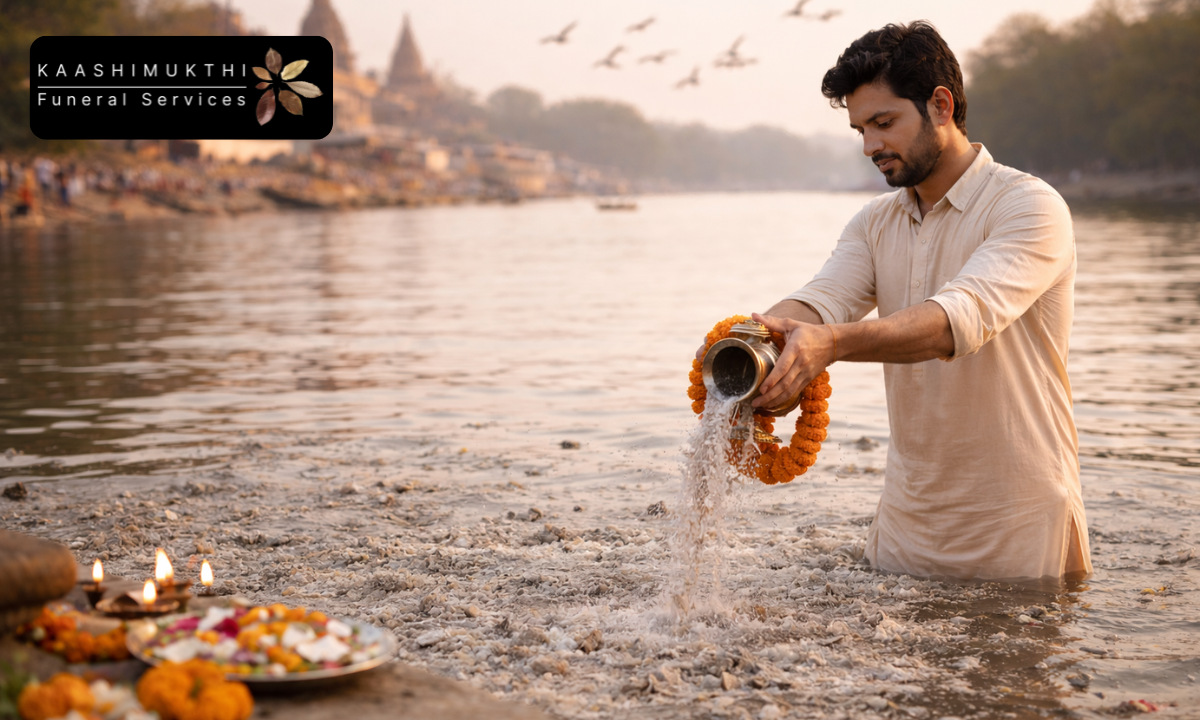
After a cremation ceremony, many families begin thinking about the next important step, ashes collection and the final rituals that honour their loved one. This stage can feel emotional and sometimes confusing, especially when families are unsure about the process, the timing, and the religious customs involved.
With the support of experienced funeral services in India, families can receive guidance on how to collect ashes respectfully and perform traditional ceremonies like asthi visarjan.
In Hindu traditions, the ashes of the departed are treated with great respect and are usually immersed in sacred rivers or holy places through a ritual known as asthi visarjan. This ceremony symbolises the soul’s release and its spiritual journey beyond the physical world.
In this blog, we will walk through everything families should know about collecting ashes, performing rituals, and dispersing them in a respectful and meaningful way.
Key Points at a Glance
- Ashes are usually ready for collection within 1–2 weeks after cremation.
- The person who signed the cremation documents typically collects the ashes.
- The ashes are returned in a temporary container with identification.
- In Hindu traditions, ashes are immersed through asthi visarjan in sacred waters.
- Popular locations include asthi visarjan in Srirangapatna, Ganga, and Gaya.
- Families must follow environmental and local regulations while dispersing ashes.
- Some families choose to keep ashes at home, divide them, or create memorials.
Understanding the Ashes Collection Process
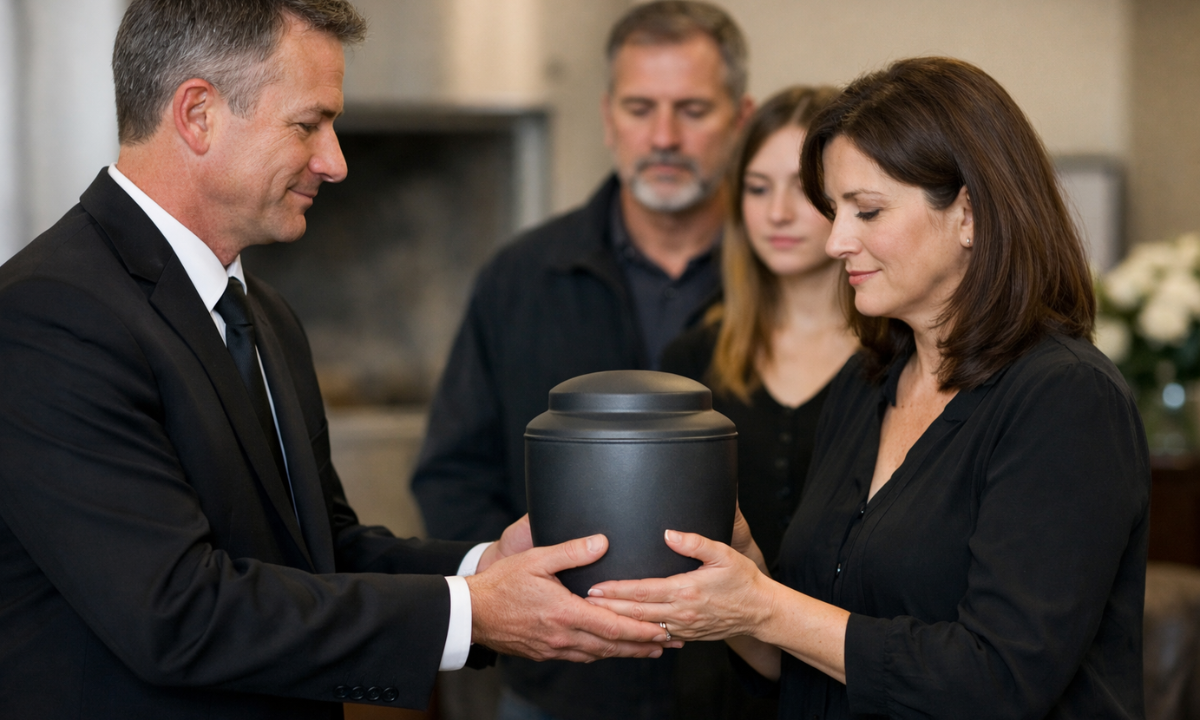
After cremation, the remains are carefully processed by the crematorium and returned to the family. This process ensures that the ashes are handled respectfully and properly identified.
Ashes are not usually ready immediately after cremation. Most crematoriums take a few days to process and prepare them for collection.
What Families Should Know:
| Step | What Happens |
|---|---|
| Processing | Bone fragments are cooled and processed into ashes |
| Packaging | Ashes are placed in a temporary container |
| Identification | The crematorium provides identification documentation |
| Collection | Ashes are handed over to the authorised family member |
This careful process ensures that the ashes are returned to the correct family.
When Are Ashes Ready for Collection?
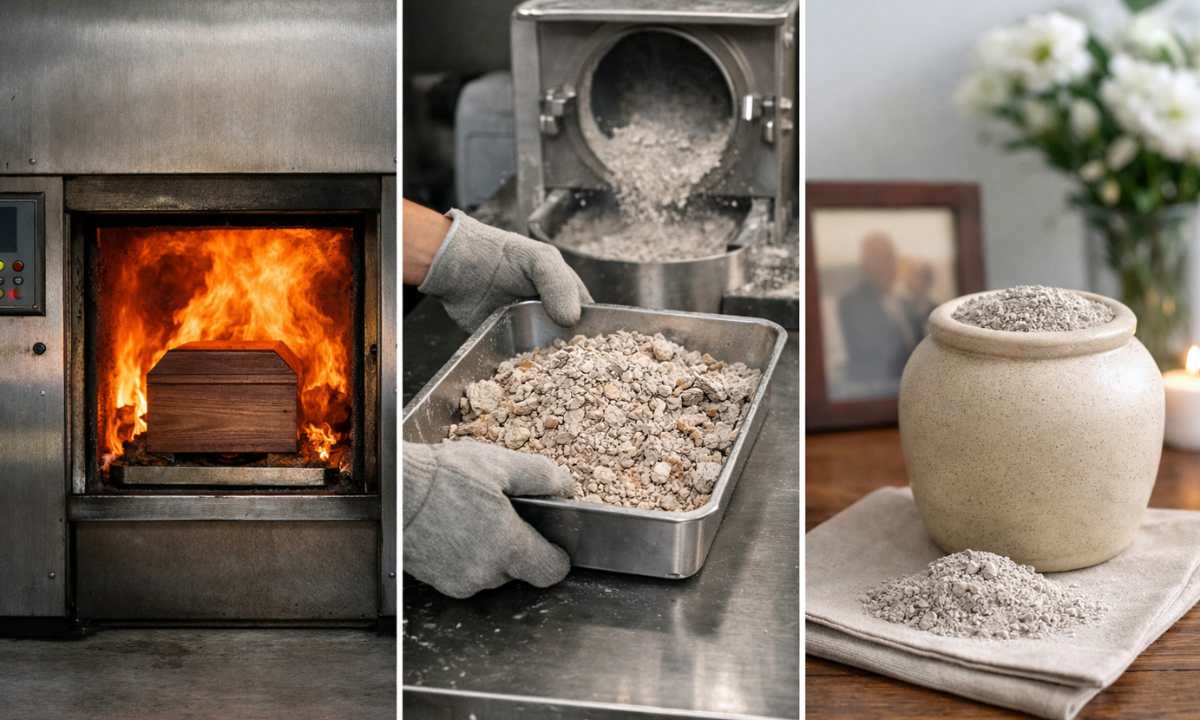
In most cases, ashes are ready within one to two weeks after cremation. The exact timing can vary depending on the crematorium and local procedures.
Families are usually informed when the ashes are ready. Once notified, the authorised person can visit the crematorium to collect them.
Typical Timeline:
| Stage | Timeframe |
|---|---|
| Cremation | Day 1 |
| Ash processing | 2–7 days |
| Ashes ready for collection | 1–2 weeks |
It is always advisable to confirm the timeline with the funeral service provider.
Who Is Allowed to Collect the Ashes?
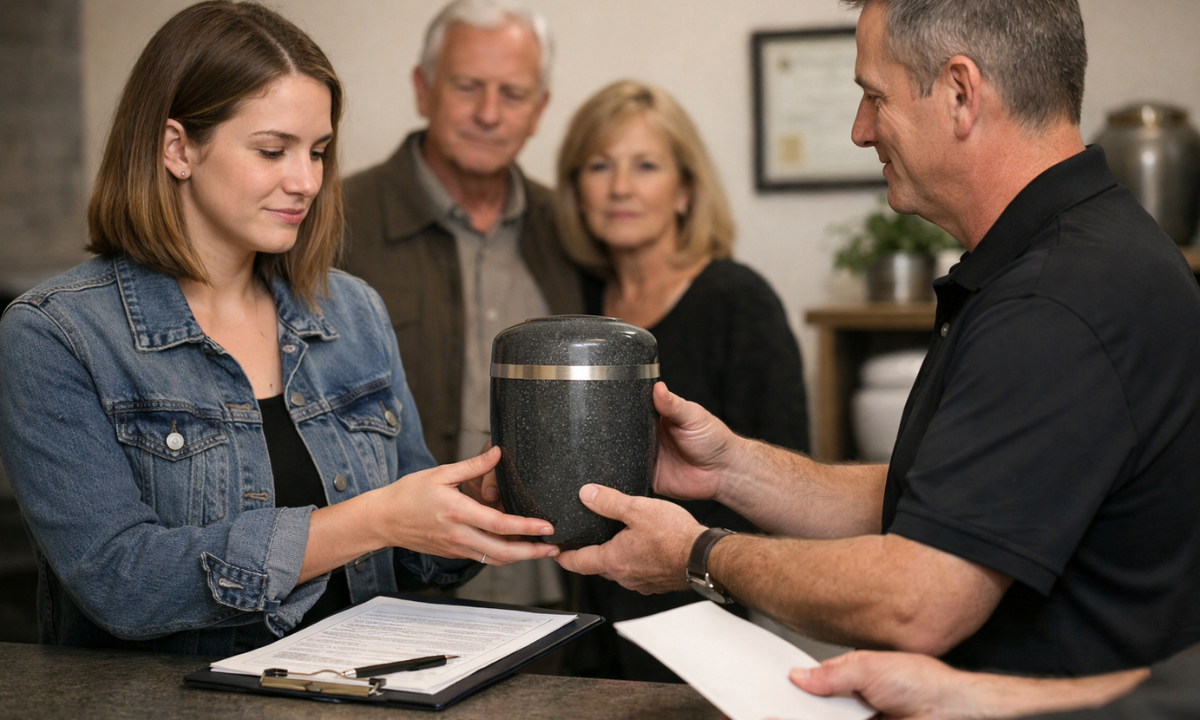
By law, the ashes are usually released only to the person who signed the cremation documents. This person is typically the next of kin or the legal executor.
However, if the authorised person cannot collect the ashes, they may assign a representative.
Requirements for Ashes Collection:
- Valid identification of the authorised person
- Cremation certificate or receipt
- Written authorisation if a representative is collecting the ashes
These rules ensure that the ashes are handled responsibly and respectfully.
What Do Cremation Ashes Look Like?
Many people imagine ashes as a fine white powder, but the reality is slightly different. Cremated remains are usually coarse and sand-like, with a greyish color.
The remains consist mainly of processed bone fragments that are gently ground after cremation.
What Families Receive:
| Item | Description |
|---|---|
| Temporary container | Plastic, metal, or cardboard container |
| Identification disc | Tracks the ashes through the cremation process |
| Documentation | Cremation certificate and records |
Families can later transfer the ashes into decorative urns if they wish.
Hindu Tradition: Asthi Visarjan
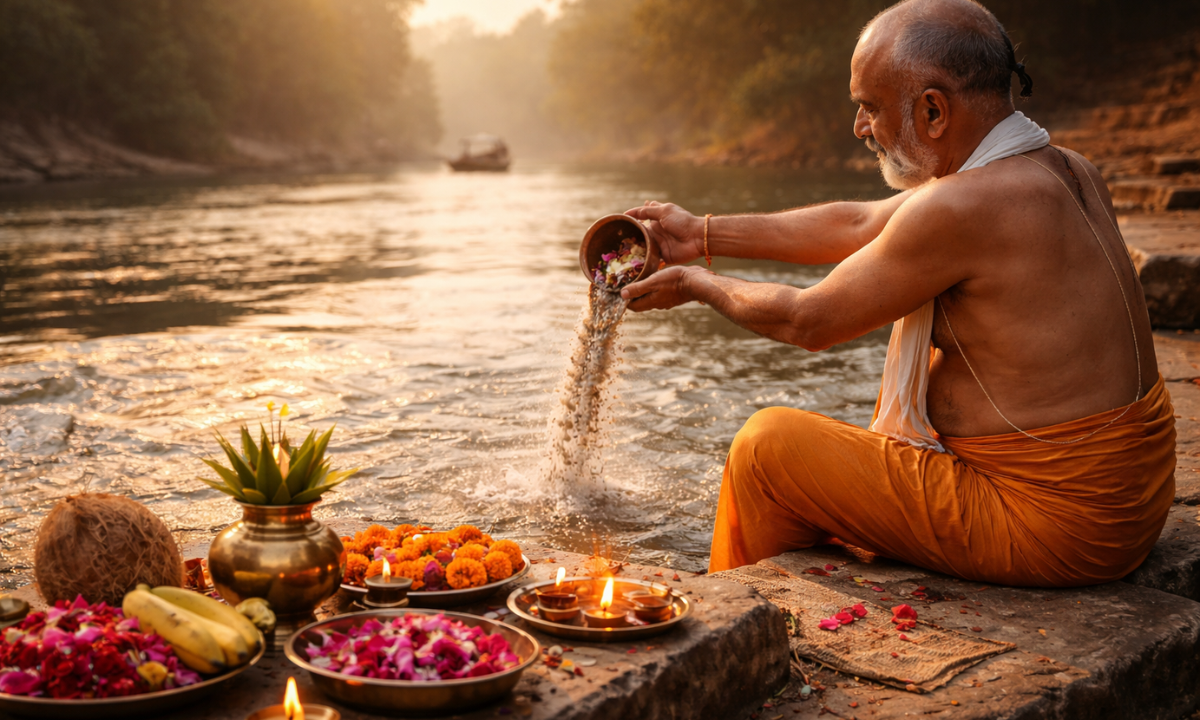
In Hindu customs, the ashes are immersed in sacred water through a ritual known as asthi visarjan. This ceremony is believed to help the soul attain peace and continue its spiritual journey.
Families usually perform this ritual a few days after the cremation, often with the guidance of priests.
Common Ritual Steps:
- Collecting ashes from the cremation ground
- Offering prayers and flowers
- Performing rituals with the guidance of priests
- Immersing ashes in sacred waters
This ritual is deeply meaningful for many families.
Popular Locations for Asthi Visarjan
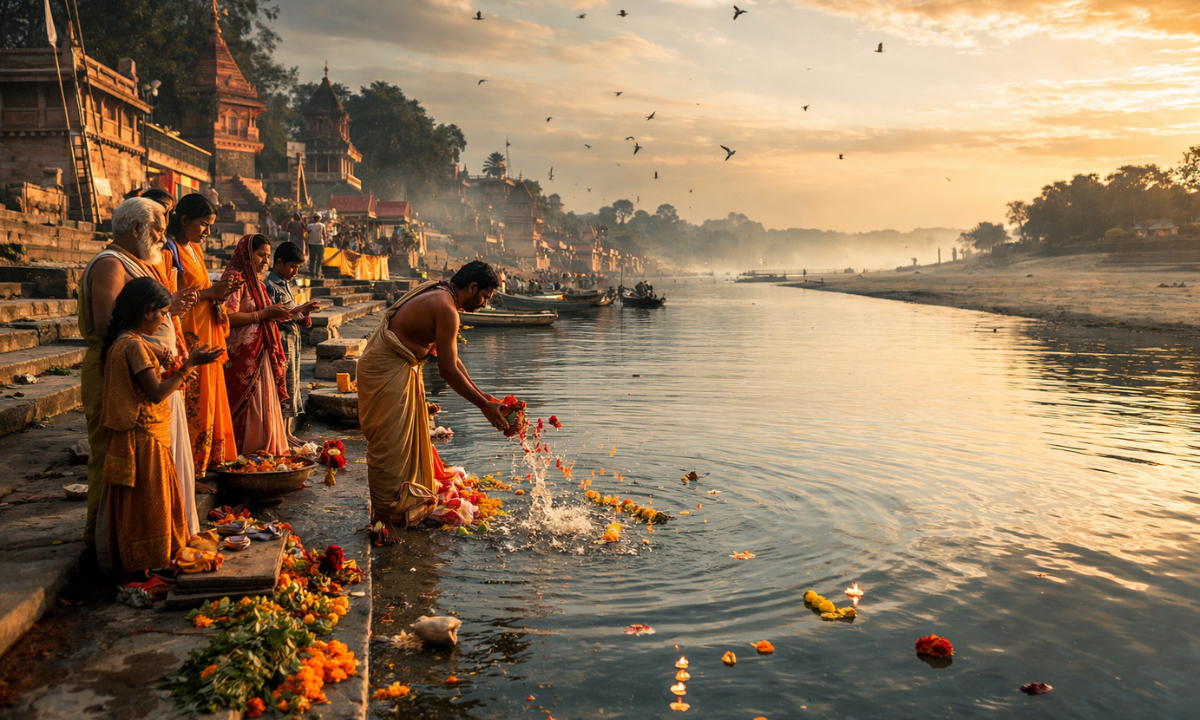
Many families travel to sacred places to perform the asthi visarjan because certain rivers and pilgrimage sites are considered spiritually powerful.
Common Asthi Visarjan Locations:
| Location | Significance |
|---|---|
| Asthi visarjan in Srirangapatna | Sacred river Kaveri immersion site |
| Asthi visarjan in Ganga | One of the holiest rivers in Hindu belief |
| Asthi visarjan in Gaya | Important site for ancestral rituals |
Pilgrimage locations often provide priests and support services for performing rituals properly.
Families travelling to perform rituals often rely on funeral services in Bangalore, funeral services in Gaya and funeral services in Haridwar for assistance with the ceremony arrangements.
Responsible Ashes Dispersal Practices
When dispersing ashes, families should also consider environmental responsibility and local rules. Different locations may have specific guidelines for scattering ashes.
It is important to perform the ashes dispersal ritual in a respectful and mindful manner so that the surrounding environment and sacred locations are protected. By following simple practices and local regulations, families can honour their loved one while also preserving the natural surroundings for others who may visit these places.
Important Guidelines:
- Obtain permission before scattering ashes on private property
- Follow local rules for scattering ashes in rivers or lakes
- Use biodegradable containers and flowers
- Scatter ashes broadly instead of placing them in one pile
- Stand upwind when scattering ashes
These simple steps help ensure that the ceremony remains respectful and environmentally safe.
Options Beyond Scattering Ashes
Some families choose alternatives to scattering ashes in water. These options allow families to remember their loved one in a personal and meaningful way.
Every family has different beliefs, traditions, and emotional preferences when deciding what to do with the ashes. Some may prefer to keep the ashes close as a form of remembrance, while others may choose a memorial option that symbolises life, nature, or legacy.
Common Alternatives:
| Option | Description |
|---|---|
| Keeping ashes at home | Ashes are placed in decorative urns |
| Burial in a cemetery | Ashes are buried in a memorial plot |
| Columbarium niche | Urns are placed in dedicated memorial spaces |
| Tree memorials | Ashes are mixed with soil to plant a tree |
Some families also divide ashes among family members for remembrance.
Practical Tips for Families
Managing ashes collection and dispersal can be emotionally difficult. A few simple tips can help families plan the process smoothly.
Helpful Tips:
- Confirm the ashes collection date with the crematorium
- Carry identification and cremation documents when collecting ashes
- Plan the asthi visarjan ceremony in advance
- Inform the priests and service providers about the ritual date
- Keep a record of the location and date of ash immersion
These steps can help avoid confusion during a sensitive time.
Final Thoughts
The process of ashes collection and dispersal is an emotional step in saying goodbye to a loved one. Whether families choose to perform asthi visarjan in Srirangapatna, immerse ashes in the Ganga, or conduct rituals in Gaya, each ceremony reflects love, remembrance, and spiritual tradition.
During such moments, compassionate guidance can make the process easier. With experienced support from funeral services in India, families can receive help with rituals, transportation, and ceremony arrangements.
Funeral service providers like Kaashimukthi work closely with families to ensure that every step, from collecting ashes to performing the final rituals, is handled with dignity, respect, and care.
Frequently Asked Questions
1. What is asthi visarjan?
Asthi visarjan is an important Hindu ritual in which the cremated ashes of the departed are immersed in sacred water, usually in a river. Families perform this ceremony with prayers, offerings, and guidance from priests.
The ritual symbolises the release of the soul from the physical world and its spiritual journey toward peace. It is often performed in holy rivers or pilgrimage locations considered spiritually significant.
2. When are ashes ready for collection after cremation?
Ashes are typically ready for collection within one to two weeks after the cremation, depending on the crematorium’s procedures. During this time, the remains are cooled, processed, and carefully placed into a container.
The crematorium usually notifies the authorised family member once the ashes are ready. The person collecting them must carry identification and the required documents to ensure the ashes are handed over properly.
3. Can ashes be divided among family members?
Yes, it is common for families to divide the ashes among close relatives if they wish to perform separate rituals or keep a portion as a personal memorial. Some families scatter part of the ashes in sacred rivers while keeping a small amount in urns or memorial jewellery. This practice allows family members to honor their loved one in different meaningful ways.
4. Is it legal to keep ashes at home?
In many places, it is legal for families to keep cremation ashes at home. The ashes are usually placed in decorative urns or memorial containers as a way to remember the loved one.
However, if the ashes need to be transported by air or taken to another city or country, certain documents, such as a cremation certificate, may be required for travel and verification.
Reference
1. From Google

Madhu is an Entrepreneur, a Mentor, a Writer and an Aspiring Car Race Driver. He is Deeply passionate about leveraging Technology and Human Centred Design to make complex care and End of Life Planning easier. With the ultimate aim of Improving the quality of Life in the Twilight years. Madhu is highly educated and Alumni of IIM-Bangalore, Sikkim Manipal University and Bangalore University besides a Rich Industry Experience in the field of Product Management, Design, Supply chain, Finance, Commercial Management and Funeral Services.